Buying a house in Mallorca
A solid guide for anyone who wants to make the dream of owning a home in Mallorca come true in a strategic and secure way.
Mallorca is far more than sea views, fincas and Mediterranean quality of life. Anyone who looks a little deeper into the island discovers places where history is not only explained, but genuinely felt. Son Fornés near Montuïri is exactly one of those special places. This archaeological site opens up a fascinating view into Talayotic culture and shows how early people in Mallorca had already created complex communities, monumental stone buildings and surprisingly well-planned living spaces.
That is exactly why Son Fornés is not only interesting for people who love culture. This place also helps you understand Mallorca better – as an island with depth, identity and a cultural heritage that goes far beyond the usual clichés. Anyone thinking about buying property in Mallorca discovers another very valuable side of the island here: its history, its roots and its unique atmosphere.
Son Fornés is not just a silent pile of stones – it is a place where Mallorca raises its oldest voice.Anyone walking through these ruins experiences the island not superficially, but in its full historical depth.
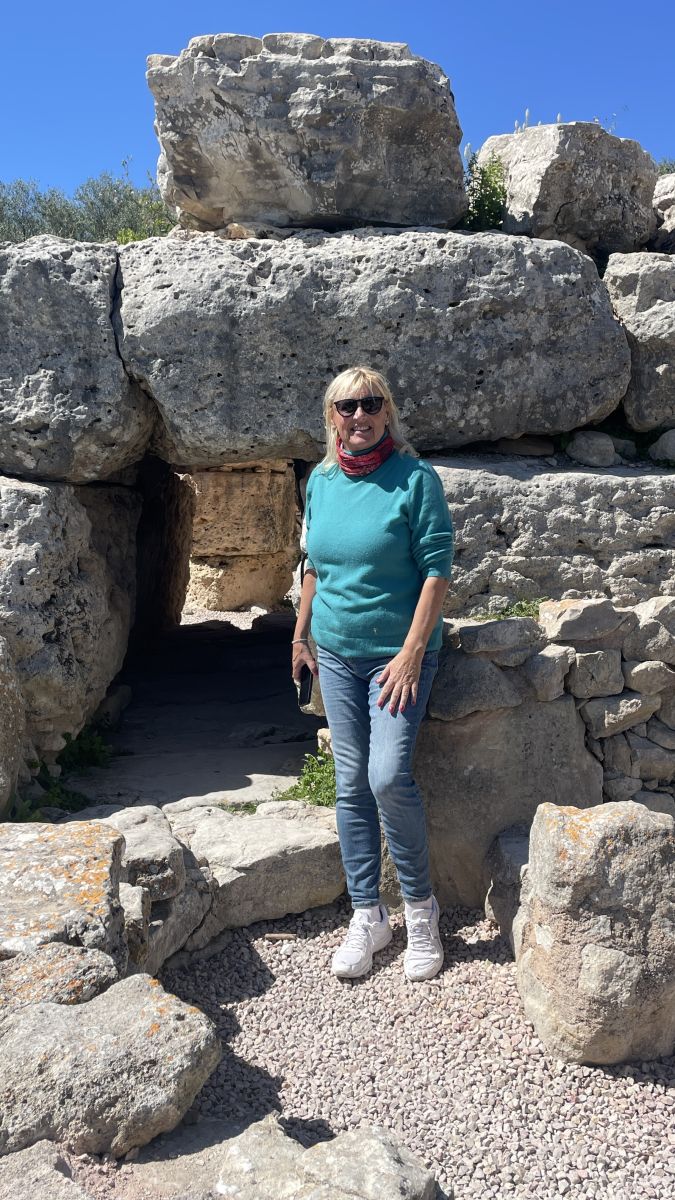
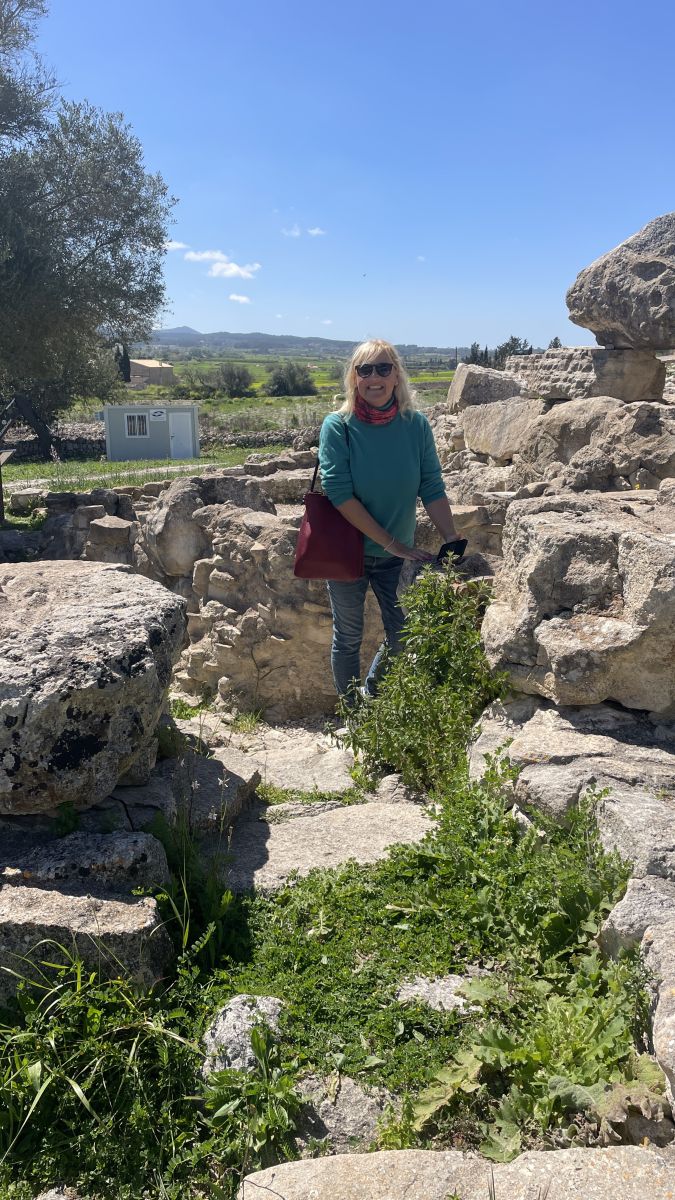
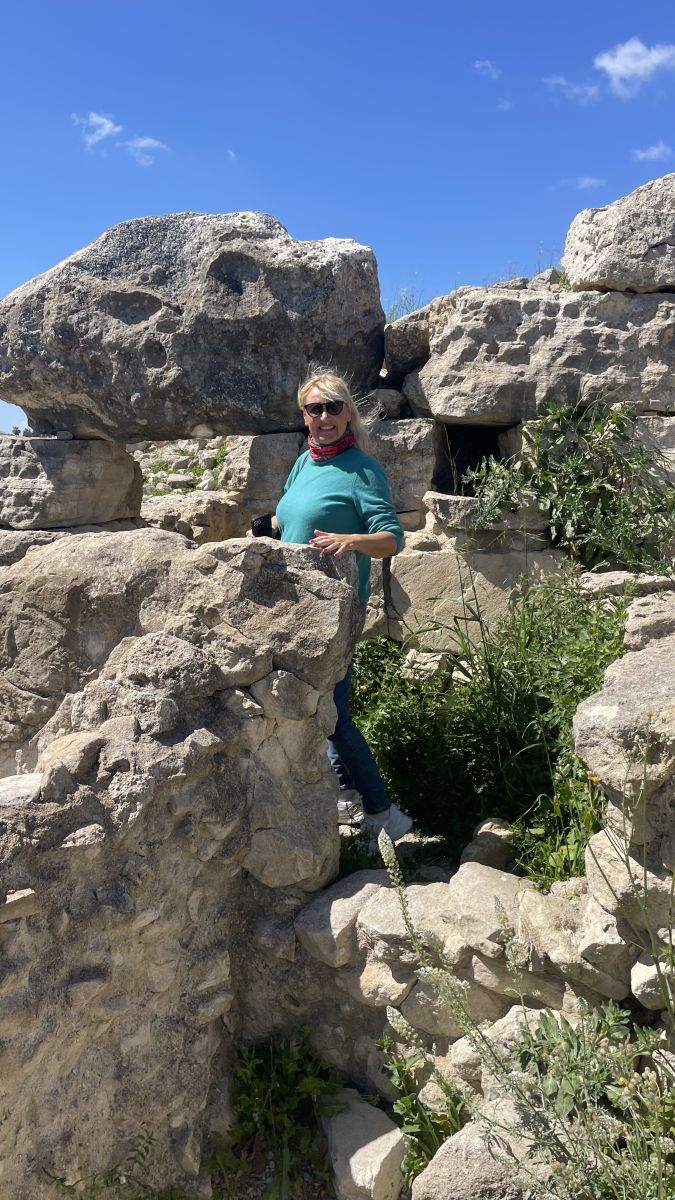
Talayotic culture developed from around 1300 BC and emerged long before the Phoenicians became active in the western Mediterranean. It was very likely not a completely new immigrant group, but rather the descendants of those early settlers who had already arrived in Mallorca and Menorca between 2500 and 2000 BC. It is not known with absolute certainty where these first communities came from, but much points towards regions of what is now Spain or southern France.
These early island inhabitants brought agriculture, livestock farming and the first permanent settlement structures with them. Over time, these developed into communities with their own building style, their own organisation and a culture that is known today above all for its monumental stone towers – the talayots.
Their lives were clearly organised around community. Villages usually formed a centre where a large talayot stood – probably as a watchtower, meeting place, storage building or site for assemblies and rituals.
The Talayotic people were extremely well adapted to the climate. Cisterns and collection basins secured their water supply, while large ceramic vessels were used to store food. This well-planned storage economy was crucial for surviving drier phases.
Life was clearly shaped by community. Household hearths, central stone buildings and functional spaces show that cohesion and division of labour played a central role – far more than in a loosely organised settlement.
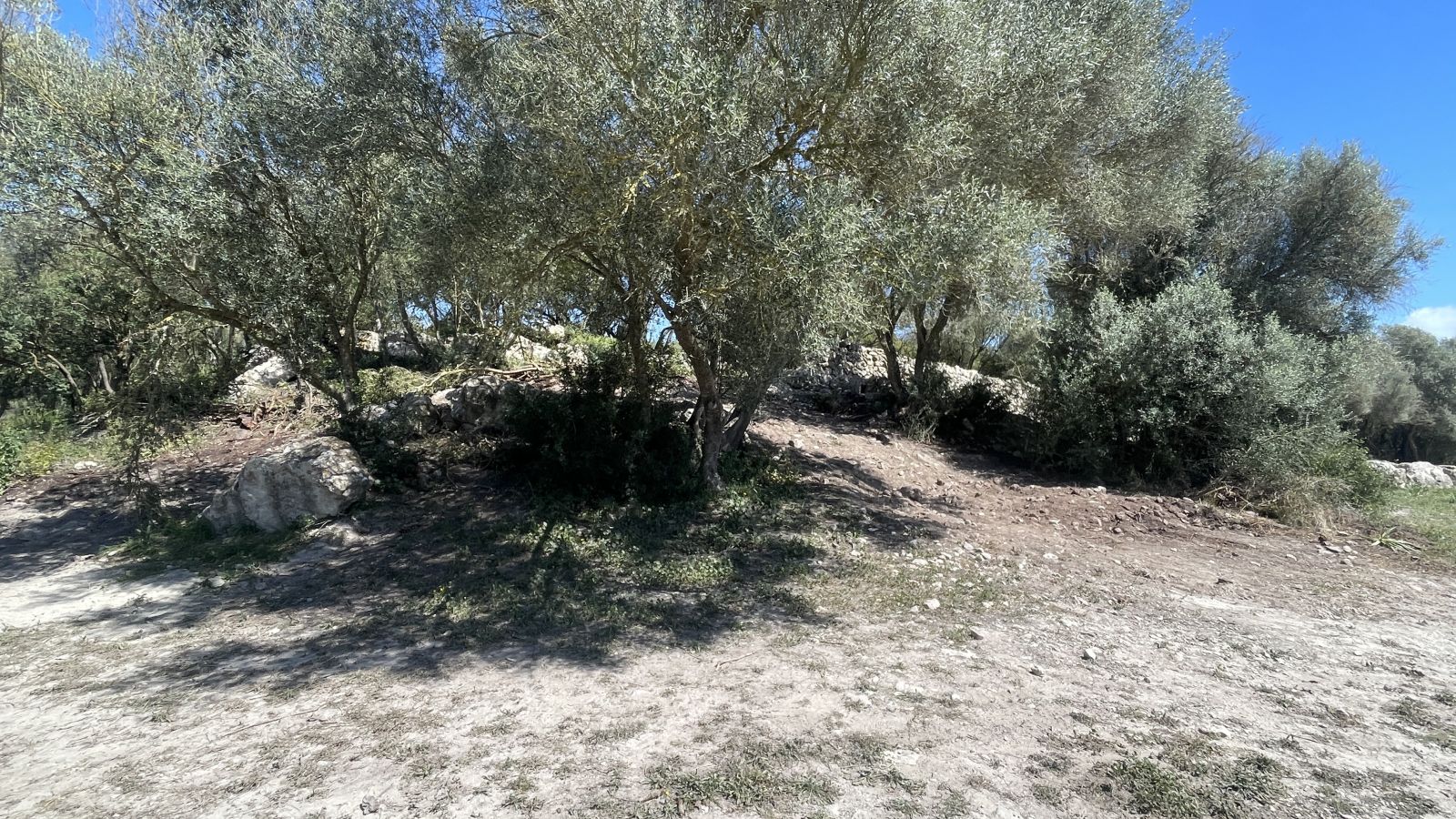
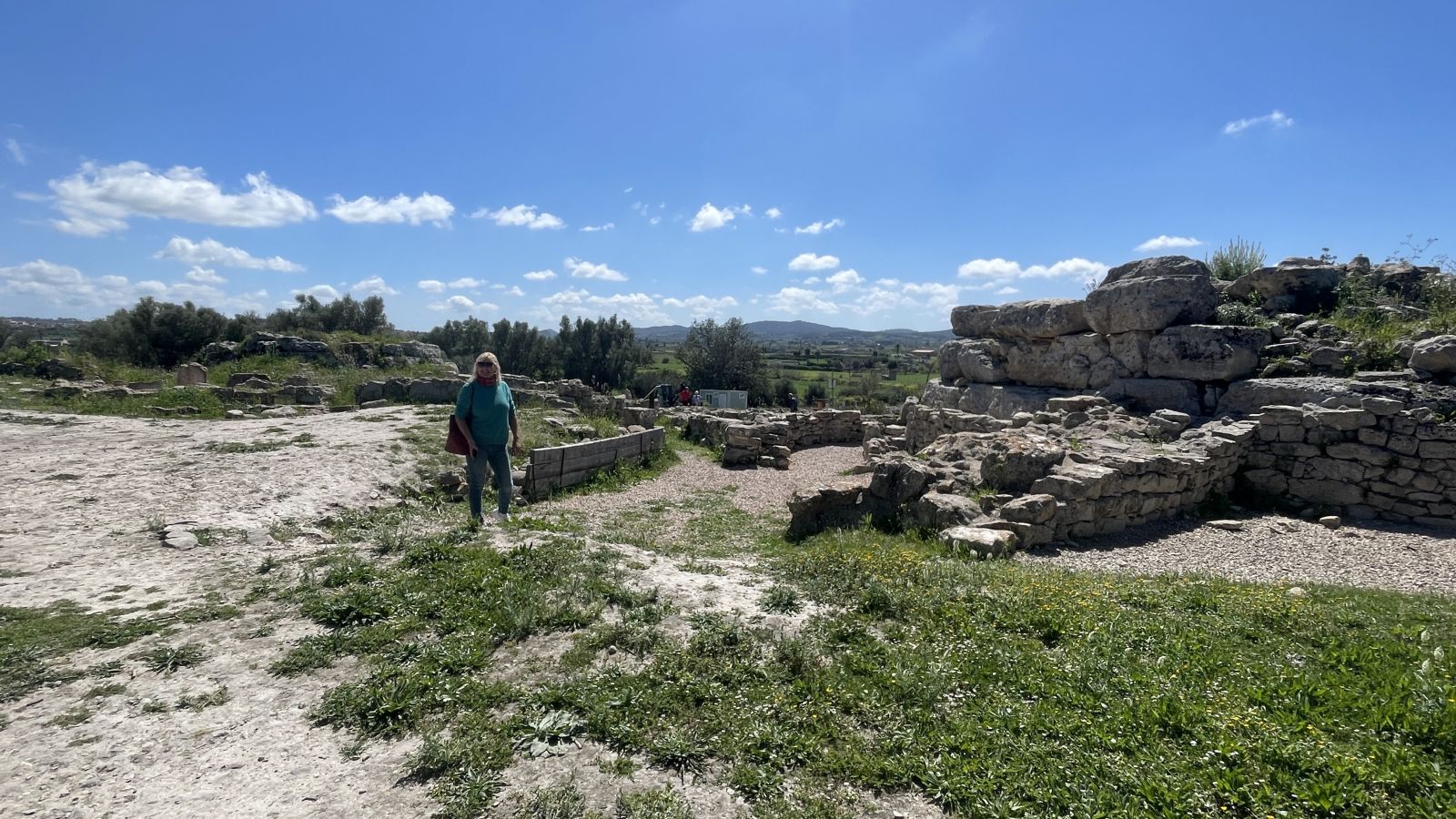
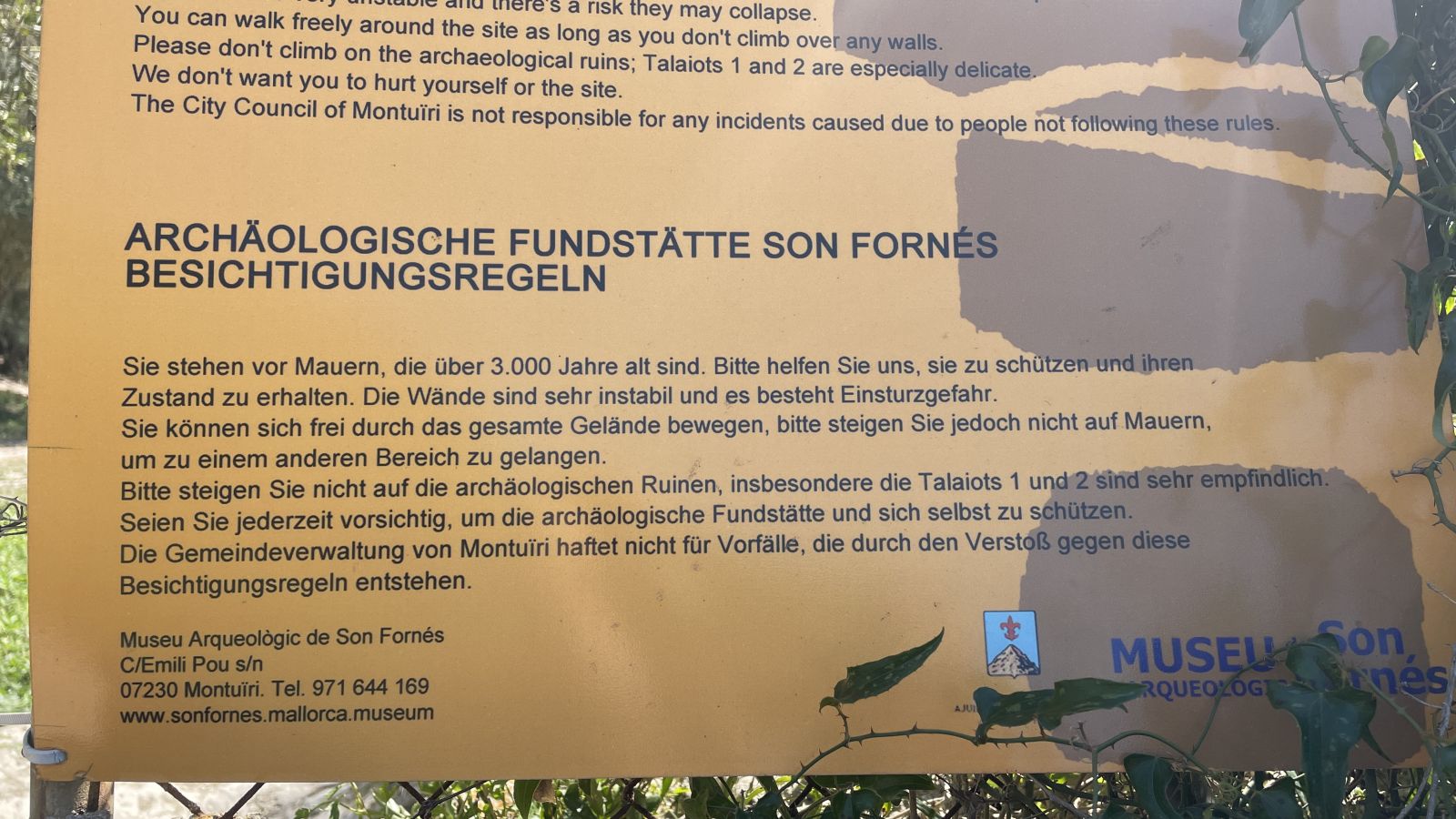
Anyone entering Son Fornés quickly feels that this is not just a group of old ruins. The walls, paths and open spaces tell the story of a community that was already remarkably organised more than 3,000 years ago. In the early morning or late afternoon especially, the place feels particularly impressive – calm, spacious and almost timeless.
That is why Son Fornés is more than just an archaeological stop. It is an entry point into a Mallorca that many visitors never get to know – a Mallorca of history, silence and a cultural depth that goes far beyond the familiar image.
The inhabitants of Mallorca and Menorca were famous in ancient times for their extraordinary skill with the sling. Balearic slingers were regarded as elite fighters and were later even hired by foreign armies such as the Carthaginians and the Romans.
From a very young age, they trained with astonishing discipline. Some traditions say that children had to prove their accuracy early on. With slings made of plant fibres or leather, they could hurl stones over great distances with enormous force and remarkable precision.
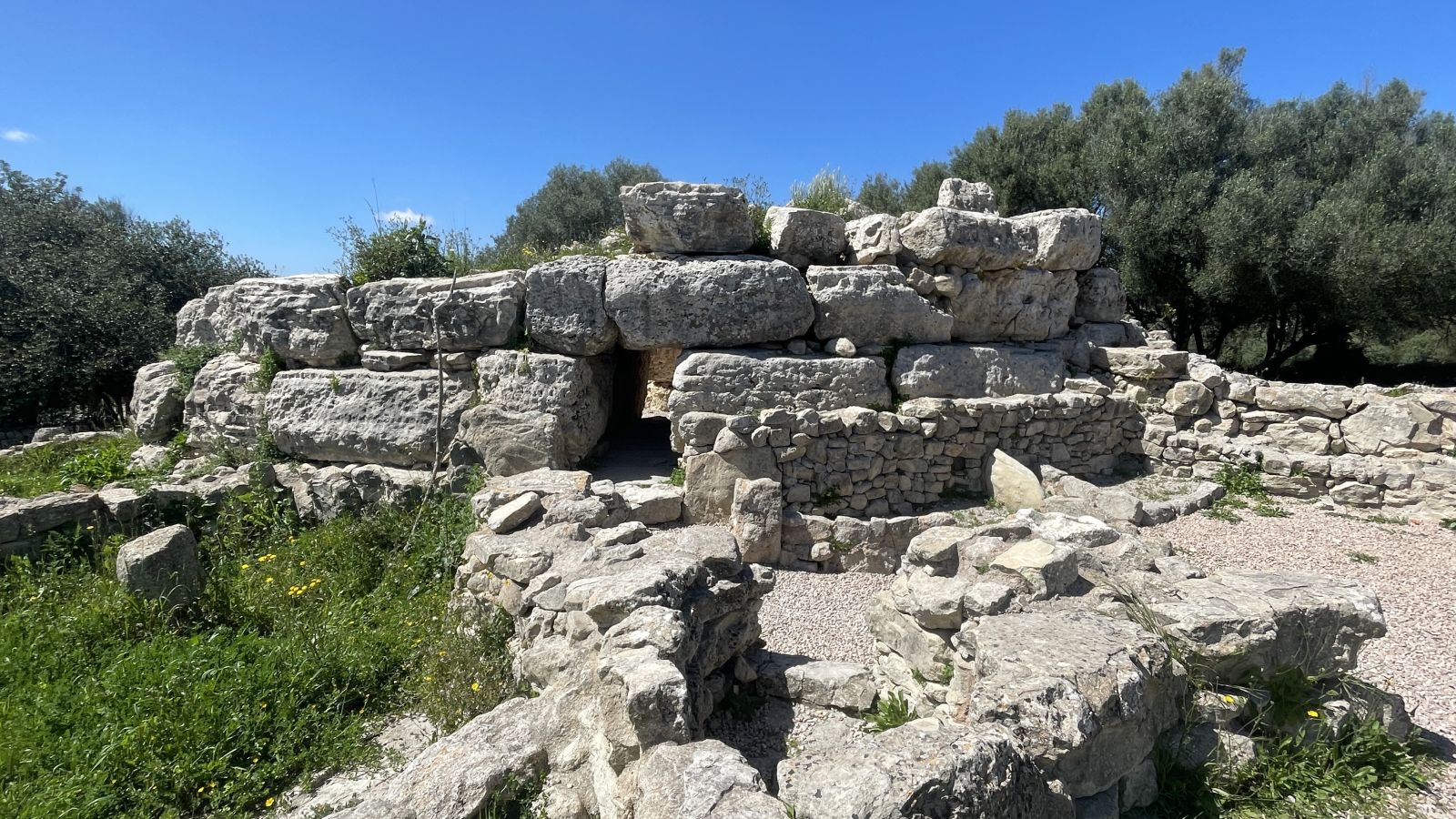
No cement, no mortar – and yet many of these structures still stand today. The Talayotic people were not just settlers, but impressive builders.It is precisely at Son Fornés that you can see how durable and well thought out this architecture really was.
Son Fornés is located in the municipality of Montuïri in the heart of Mallorca and is one of the island’s most impressive archaeological sites. It offers an exceptionally concrete insight into the Talayotic age and, at the same time, shows how Mallorca changed culturally, socially and economically over the centuries.
What is especially fascinating is that Son Fornés does not consist of just a single talayot. The site includes several monumental towers, residential and economic buildings, as well as traces of later use. This creates an unusually complete picture of how a prehistoric community in Mallorca lived, worked and organised itself.
Many prehistoric sites impress above all because of their age. Son Fornés goes one step further: the site tells a story of development. Here, it is possible to trace how a village community formed, how it experienced crises and transitions, and how the settlement changed under new external influences.
With its three well-preserved talayots, numerous residential and economic buildings and several archaeological layers, Son Fornés is one of those places where history is not only documented but can actually be read. That is exactly why the site is so interesting both for culturally curious visitors and for people who want to understand Mallorca in greater historical depth.
Son Fornés is so fascinating because several phases of the island’s history can be traced here. The site is not a static place, but rather an archaeological testimony to change, adaptation and new influences. Anyone walking through it looks at different chapters of Mallorca – from the height of Talayotic culture to the transformations shaped by Roman influence.
Between around 900 and 550 BC, Son Fornés formed part of a self-sufficient and solidary village community. The houses were grouped around monumental talayots, which served as meeting places, storage areas, symbols of shared power and possibly also for ritual acts.
Later fires and conflicts clearly altered the settlement structure. The earlier uniformity gave way to new, more scattered buildings. The evidence suggests that social differences became more pronounced and that Son Fornés became part of a wider regional power structure.
With contact from foreign cultures and later Roman expansion, the island continued to change. New goods, technical developments and different economic structures also left visible traces in Son Fornés. Talayotic culture was not simply replaced, but transformed gradually over time.
In later phases, Son Fornés developed into a place with workshops, storage areas and new forms of use. In this way, the site reflects not only prehistoric history but also the transition towards more complex settlement and production structures.
| Period | Time frame | Characteristics |
|---|---|---|
| Talayotic | approx. 900–550 BC | Community-organised settlement with monumental stone buildings |
| Transition period | approx. 550–250 BC | Crisis, architectural change and stronger social differentiation |
| Later influences / Roman phase | approx. 250 BC–100 AD | New technologies, workshops and changing settlement structures |
When people talk about early contacts in Mallorca, the question of the Phoenicians often comes up as well. Phoenician traders did indeed appear in the western Mediterranean from around the 8th century BC, but Mallorca was more of a peripheral territory than a central power hub. There were contacts, trade and new influences – for example in goods, metals and ceramic forms.
However, one cannot speak of large-scale mixing or replacement of the local population. A gradual cultural transformation seems much more plausible: Talayotic society initially remained in place, but responded to outside impulses and internal changes. It is precisely this nuanced development that makes places such as Son Fornés so interesting.
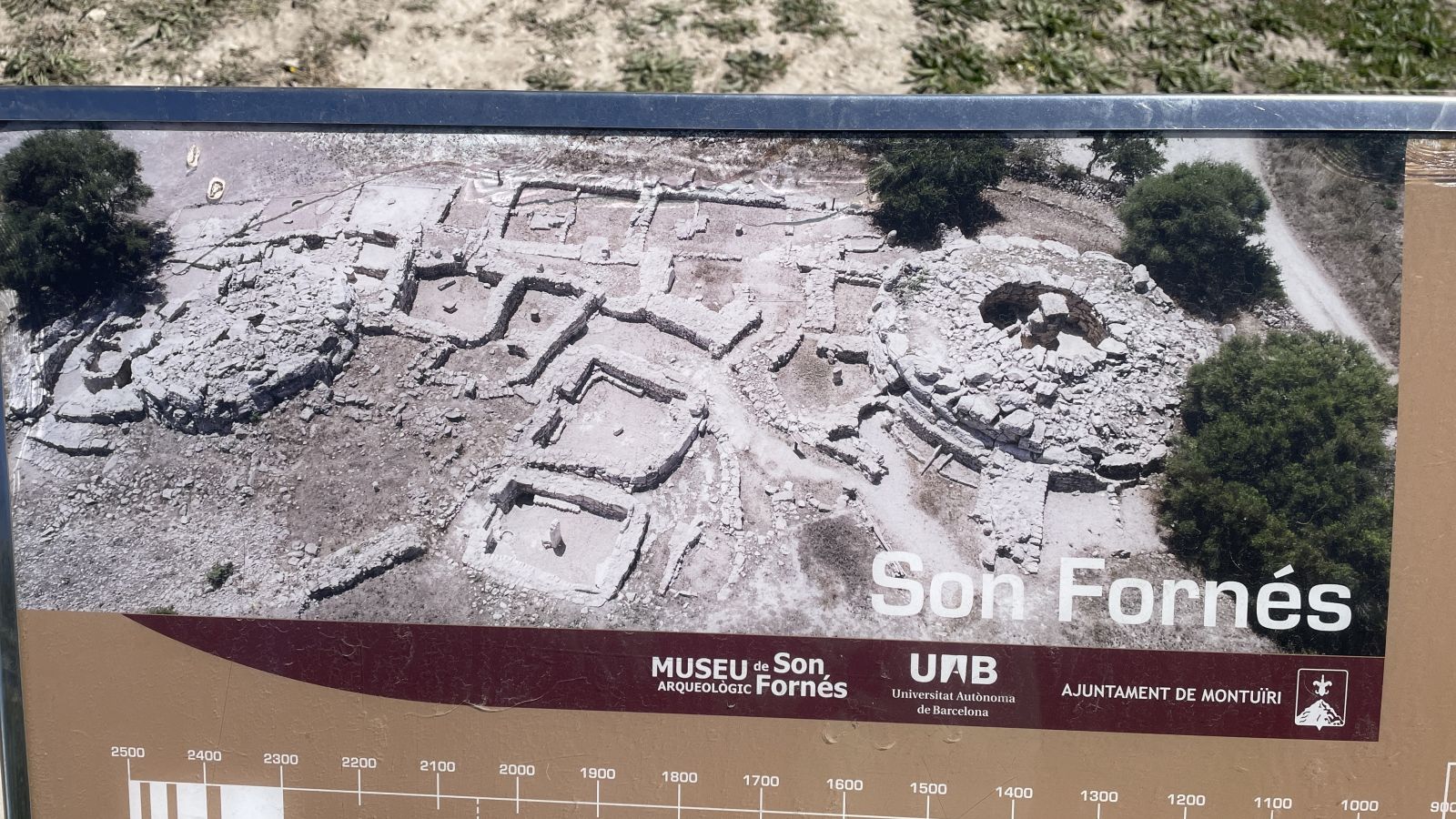
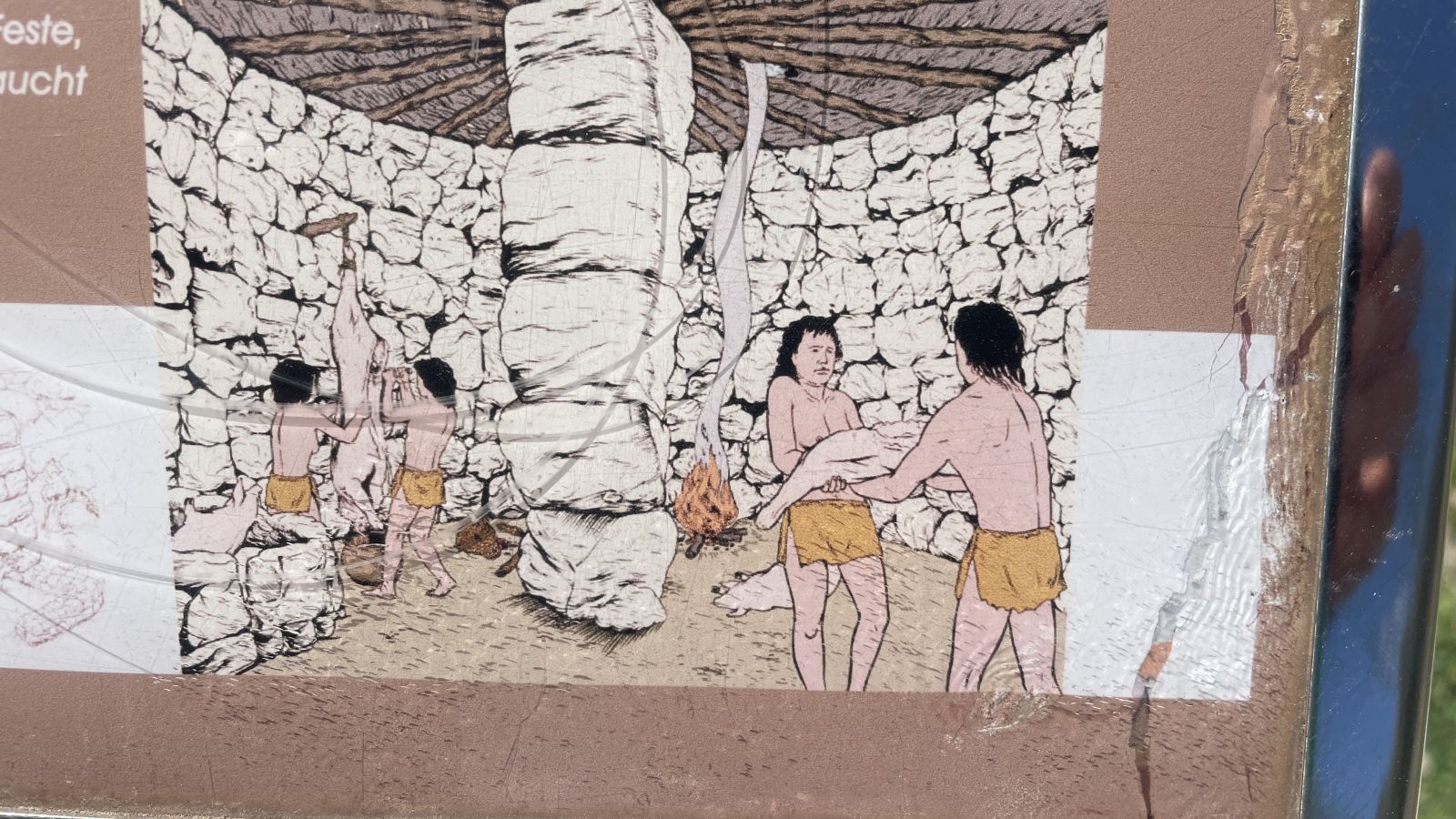
Son Fornés impresses not only because of its size or age, but above all because of the quality of its discoveries. The site shows very concretely how a Talayotic community was organised, which spaces it used and how closely architecture, daily life and community were connected. It is exactly this readability that makes the site so exciting for visitors.
Unlike many historical places where you mainly look at symbolic or heavily reconstructed remains, at Son Fornés the functional connections can be understood surprisingly well. Living spaces, storage rooms, work areas and monumental communal structures form an overall picture here that goes far beyond a mere landscape of ruins.
Among the most impressive finds is an exceptionally well-preserved Talayotic house of around 45 square metres. It includes several clearly recognisable areas, including a kitchen with a stone cooking slab, storage zones and a brighter workroom. This differentiation makes it clear just how functional and organised life in Son Fornés already was.
Archaeological evidence suggests that animal hides were processed in these rooms, bone tools were manufactured and pottery was produced. Son Fornés was therefore not only a place to live, but also a functioning economic space with clearly defined tasks and specialisations.
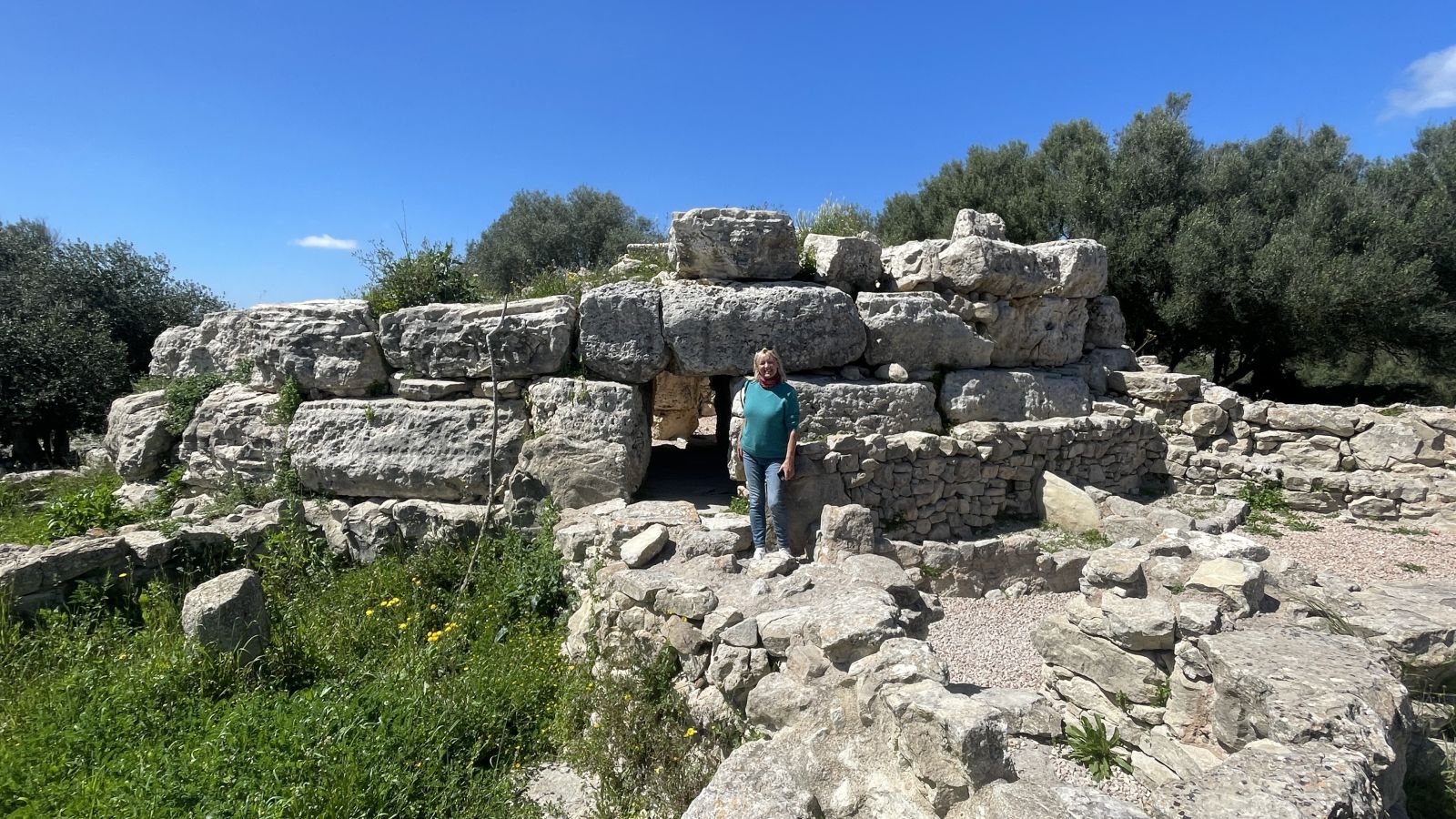
Anyone walking through Son Fornés quickly realises that the settlement was much more than a cluster of individual stone towers. The built structures reveal a genuine village layout – with paths, residential areas, functional zones and a communal centre. The thick stone walls, the limited light inside and the central hearth allow us to imagine what daily life might have looked like.
That is exactly what makes the place so special: Son Fornés makes not only history visible, but daily life imaginable. One can almost picture life in these houses, the division of tasks and the close-knit social structure.
The best-known structure on the site is the large central talayot. With a diameter of around 17 metres and a preserved height of nearly four metres, it is one of the most impressive stone monuments of its kind in Mallorca. It was built from massive stone material – entirely without mortar, without modern machinery and using only highly precise craftsmanship.
The construction impressively demonstrates how advanced the Talayotic people’s understanding of building already was. A central column supported the roof structure, while later added access points or stairways suggest long-term use and adaptation over time.
A small windowless room with a striking ceramic inventory is one of the most intriguing areas of the site. Since certain vessels appear only there, it seems likely that this room had a special function – possibly for meetings, collective decisions or ritual acts.
Findings such as these show that Son Fornés does not only speak of buildings, but also of social structure, hierarchies and symbolic practices. The site therefore allows a surprisingly differentiated view of prehistoric life in Mallorca.
The great talayot was probably far more than a tower – rather the heart of the community, the first village square and perhaps even the political centre of an early Mallorca.Son Fornés makes visible with remarkable clarity just how closely architecture and social life were linked in Talayotic culture.
The site is located on the edge of Montuïri and is easy to reach by car. Parking is available nearby. Precisely because Son Fornés is open, quiet and pleasantly embedded in the landscape, a visit can be perfectly integrated into a relaxed day trip through the centre of the island.
If you want to experience Mallorca beyond the coastline, you will find exactly the right mix of culture, history and calm here. It is especially enjoyable to combine the visit with a walk through Montuïri or a stop at the associated museum.
At first glance, a 3,000-year-old archaeological site may seem far removed from modern island life. In reality, the opposite is true. Places such as Son Fornés help us see Mallorca not only as a travel destination, but as a cultural landscape shaped over thousands of years. History forms identity – and it is precisely this depth that continues to fascinate so many people.
Anyone who lives in Mallorca today or owns property here moves through a landscape that has been inhabited, shaped and culturally influenced for millennia. That is exactly why Son Fornés is also so interesting for anyone thinking about houses in Mallorca, apartments in Mallorca or fincas in Mallorca: the island gains depth when you understand its history.
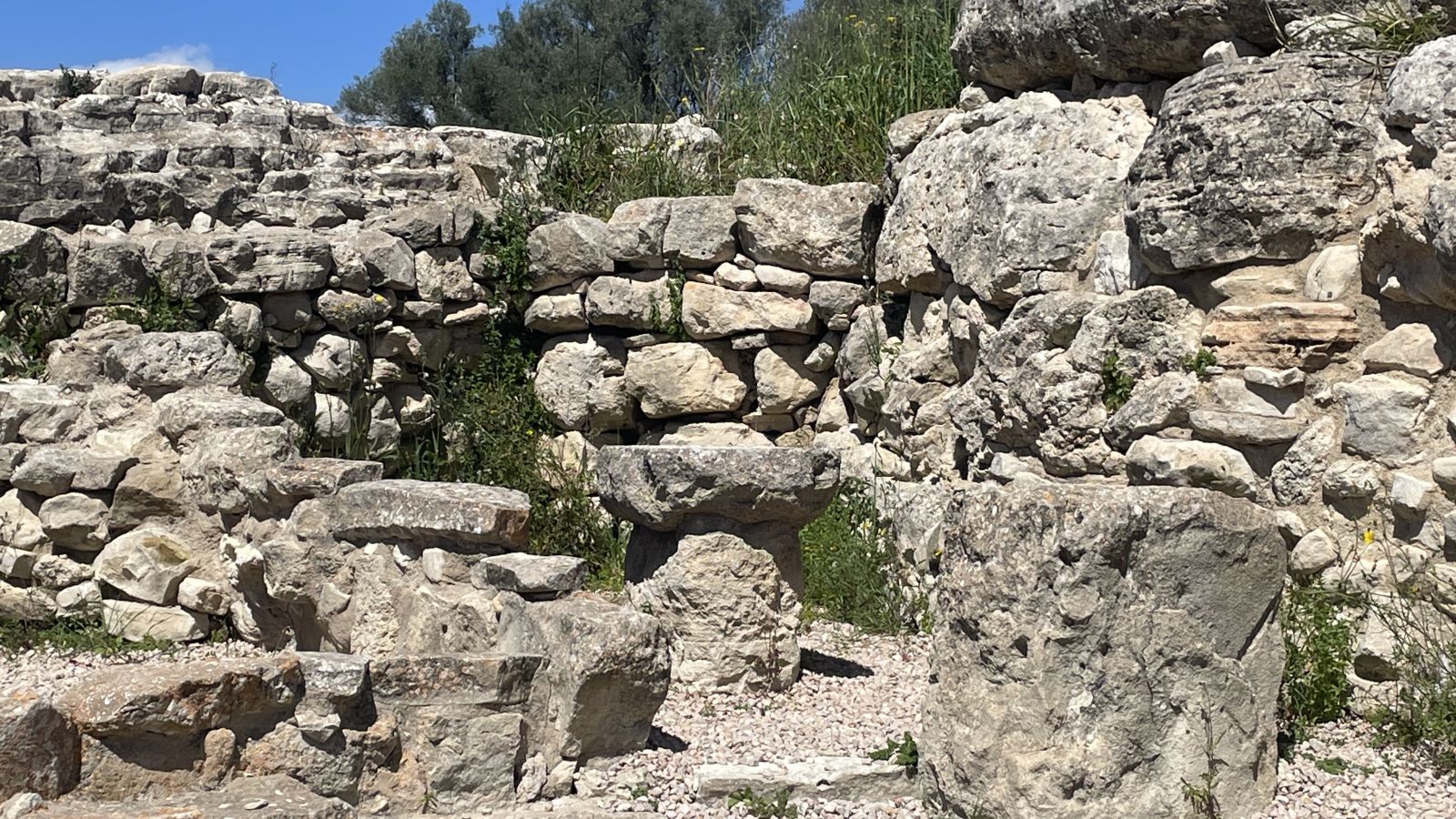
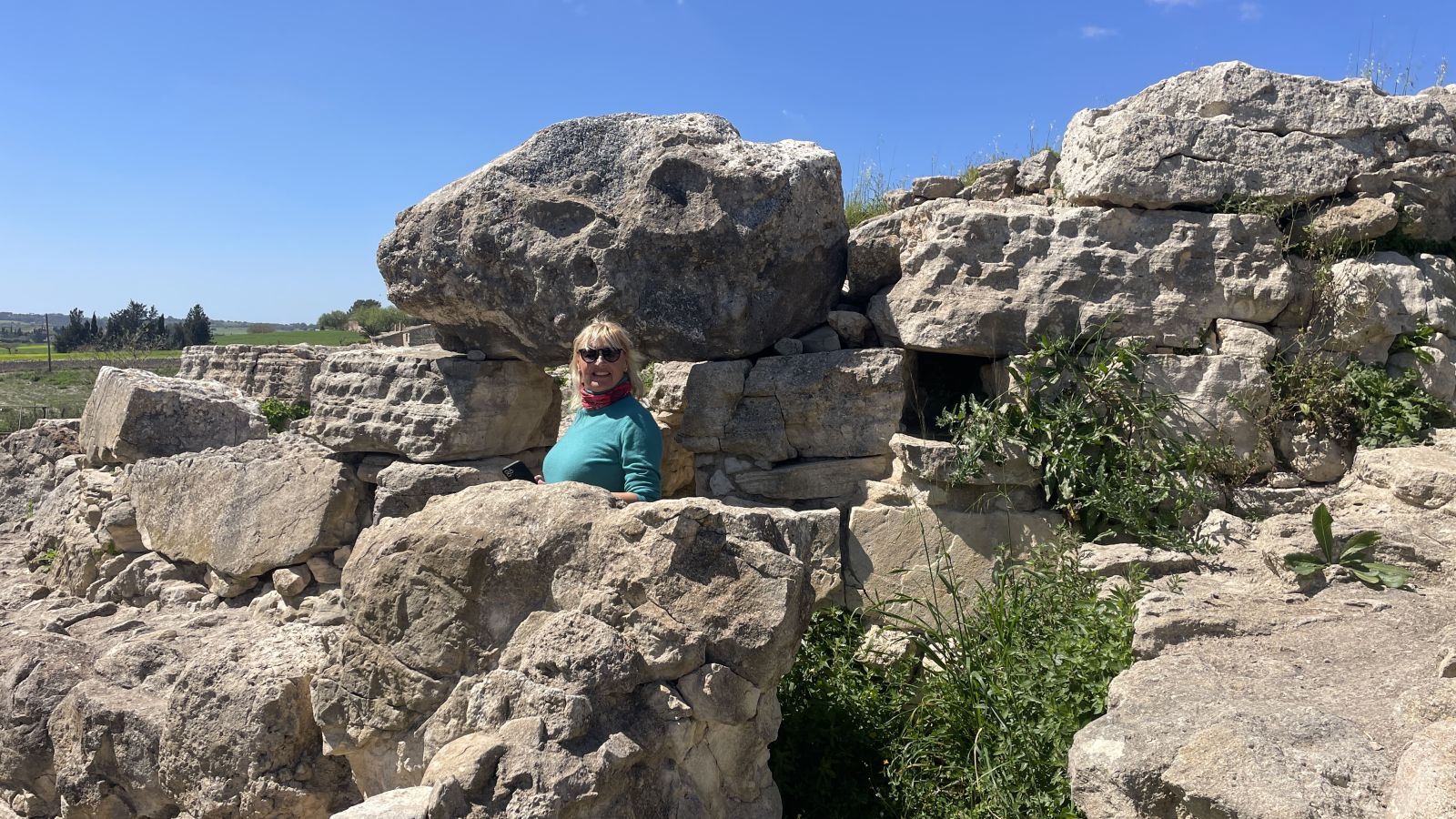
Son Fornés is not a classic museum, not an overcrowded hotspot and not a place you simply visit in passing. That is exactly what makes this site so special. Anyone who takes their time here discovers a more original Mallorca – quiet, historically rich and far removed from a purely tourist view of the island.
The site shows just how deep Mallorca’s roots really are. It tells of community, change, architecture and adaptability, and reminds us that this island is far more than sun, beach and sea. For anyone who wants not only to enjoy Mallorca, but to truly understand it, Son Fornés is a place that leaves a lasting impression.
Mallorca does not begin only at the sea – it begins where its history becomes visible.Son Fornés is exactly one of those places.
If you love Mallorca and want to learn more about the island – about special places, historical background and genuine hidden gems – it is worth looking behind the scenes. That is exactly the perspective we regularly share with our clients and readers.
Alongside inspiring insights into culture and history, you will also receive current information about property in Mallorca, new listings and interesting opportunities in the island’s real estate market.
Sign up for our newsletter now and regularly receive exclusive property offers, insider tips about the island and fresh inspiration directly in your inbox.
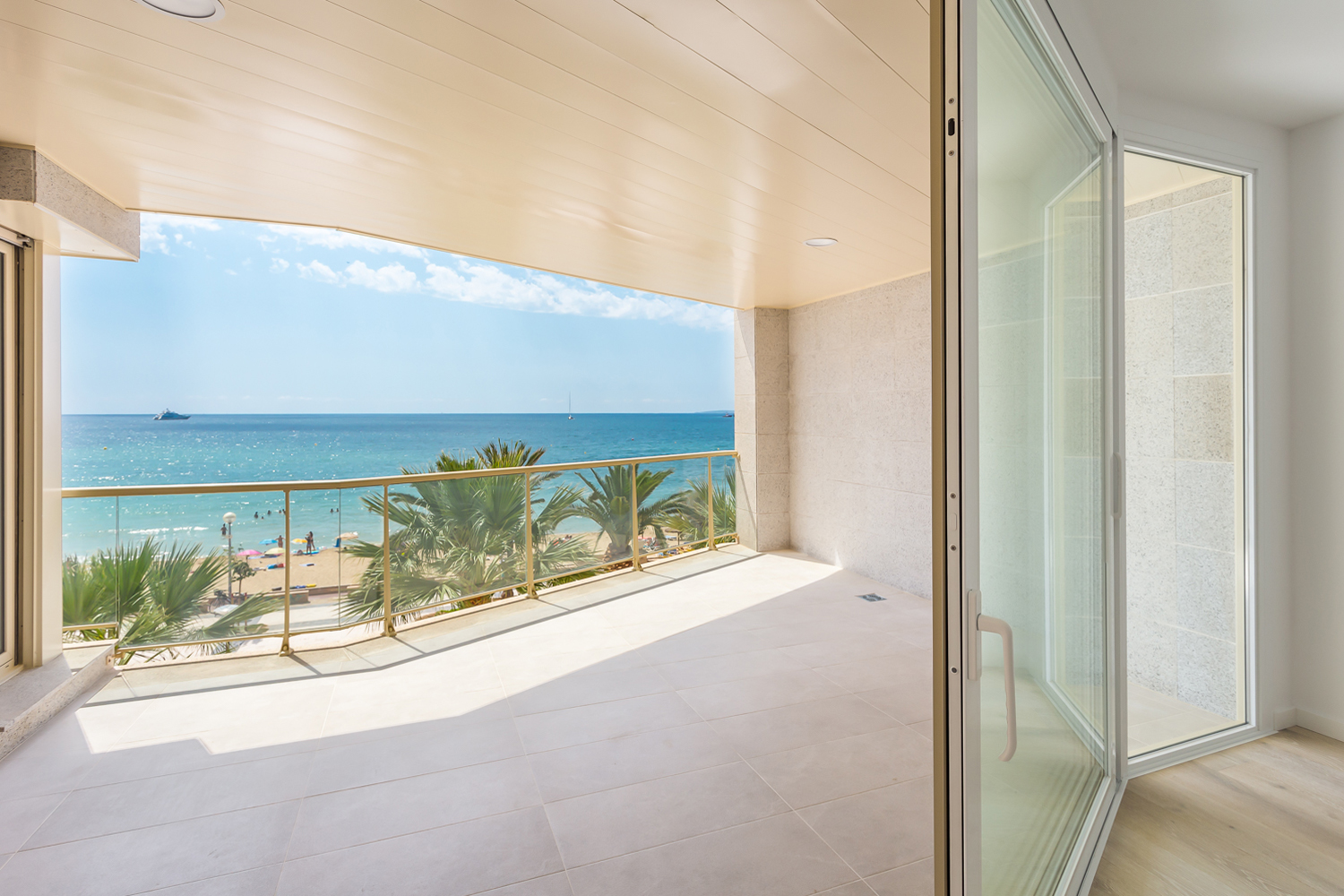
Exclusive penthouses in Mallorca with sea views, clean architectural lines and a premium living experience.
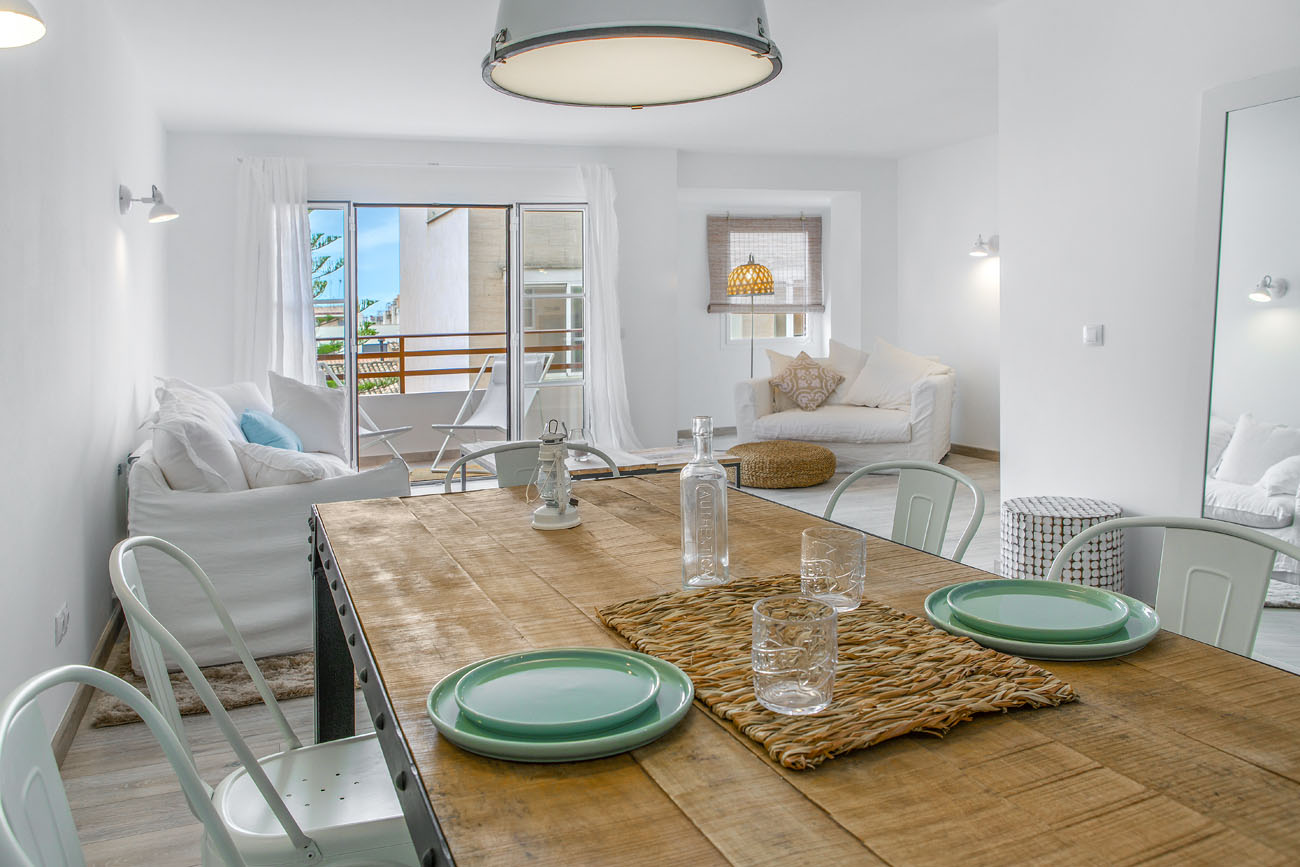
Modern apartments and elegant homes in Mallorca, ideal as a second residence or as an investment.

High-quality houses and villas in the island’s best locations, from modern styles to classic Mediterranean charm.
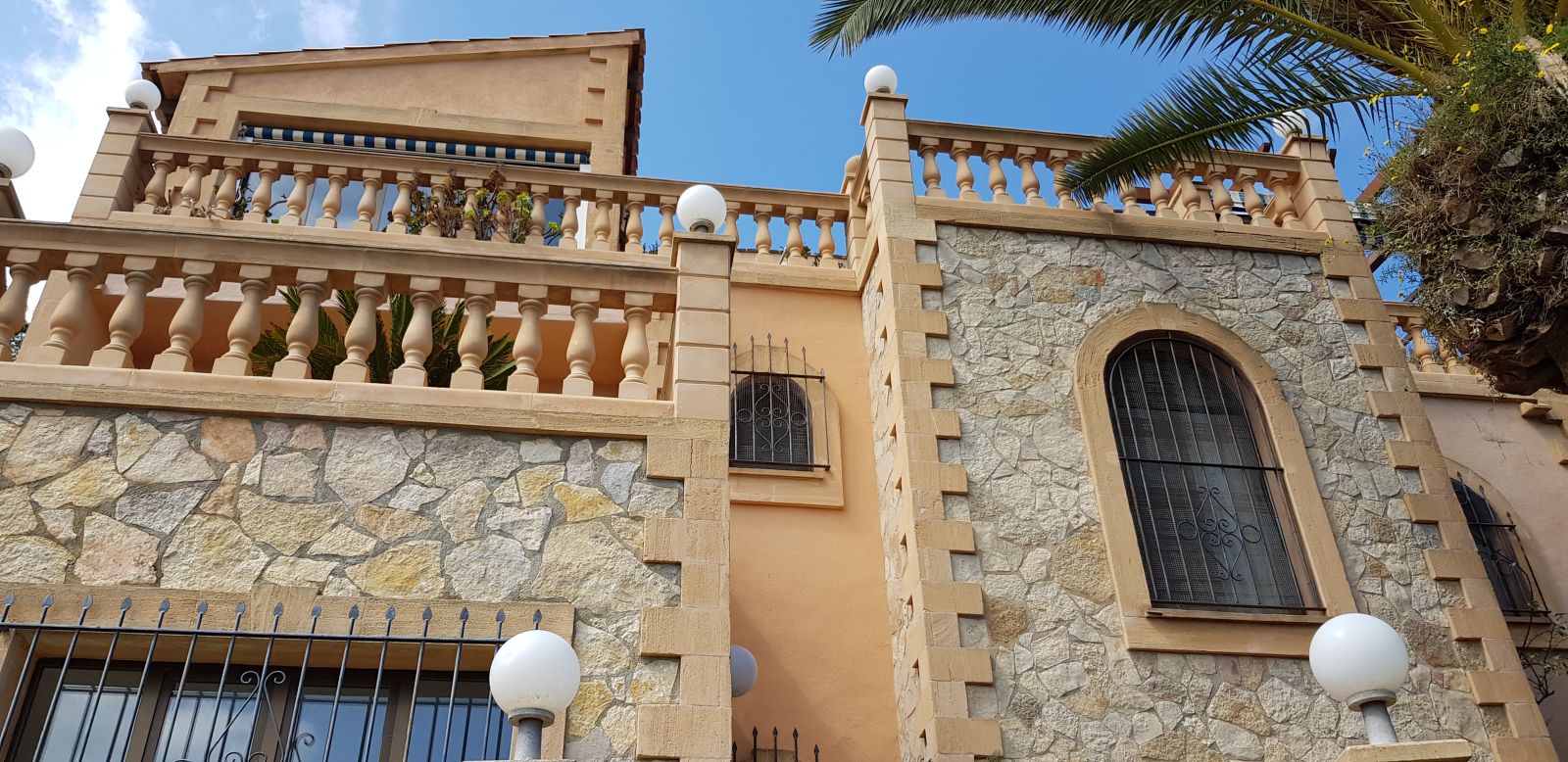
Authentic fincas and country houses in Mallorca for anyone seeking peace, nature and privacy.
A solid guide for anyone who wants to make the dream of owning a home in Mallorca come true in a strategic and secure way.
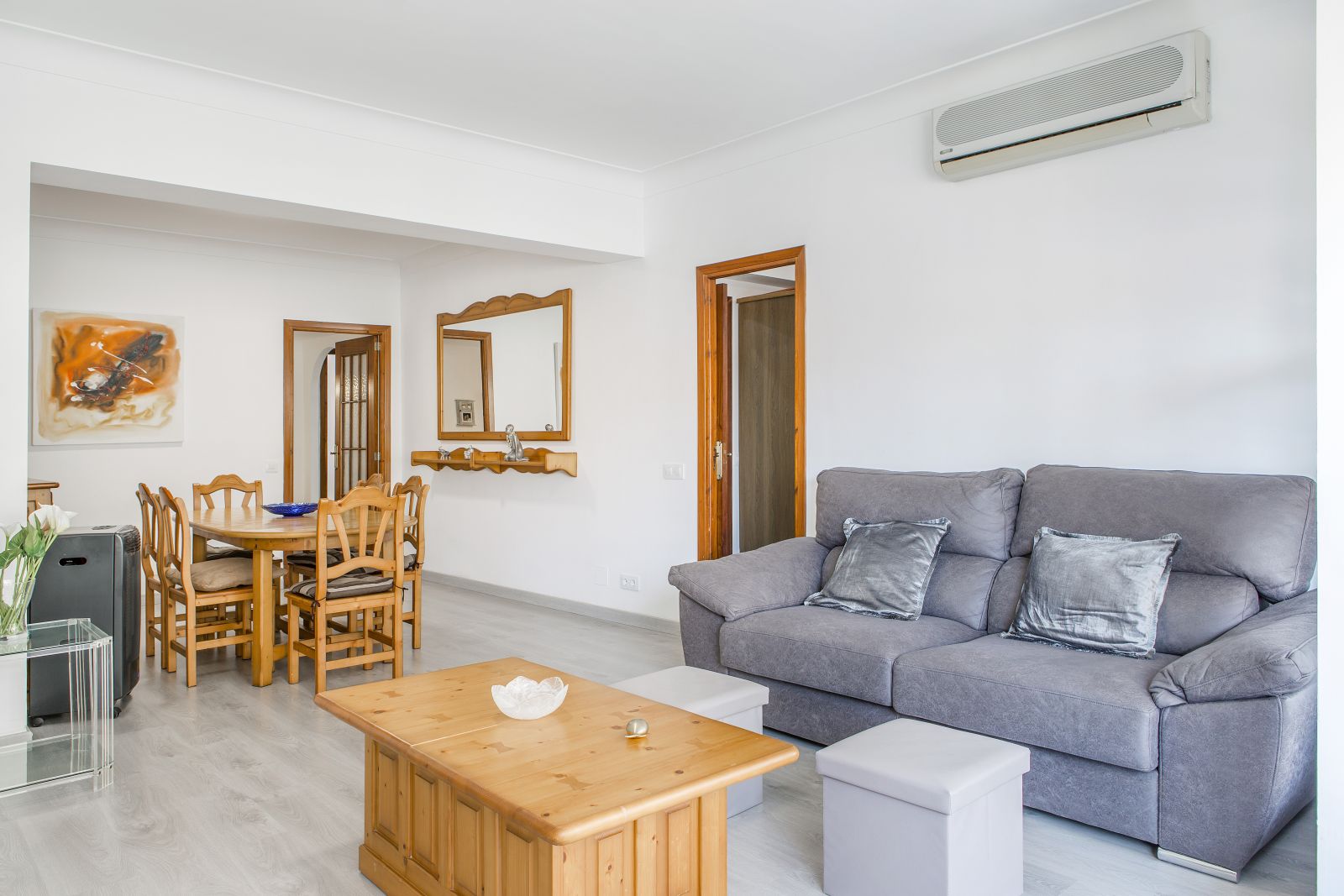
The complete guide for anyone who wants to buy an apartment in Mallorca and carefully balance location, budget and intended use.
A clearly structured overview for anyone who wants to approach a property purchase in Mallorca well prepared and with the right feeling.