Historic fincas in Mallorca – living within walls of history
Historic fincas are among the most fascinating types of property in Mallorca. They combine natural stone, traditional craftsmanship, Mediterranean landscapes and a way of life deeply rooted in the island's history. Anyone interested in an old finca is usually looking for more than just a house – they are looking for an authentic piece of Mallorca.
This guide explains what makes historic fincas so special, what buyers should consider and why traditional natural-stone fincas, old country houses and former possessions continue to hold such a special appeal.
Short answer: Historic fincas in Mallorca are characterised by traditional natural-stone architecture, mature grounds and their individual building history. Before buying, the condition of the building, authorised structures, possible heritage restrictions, water and electricity supplies, access and realistic renovation and maintenance requirements should be independently assessed.
What makes historic fincas in Mallorca so special?
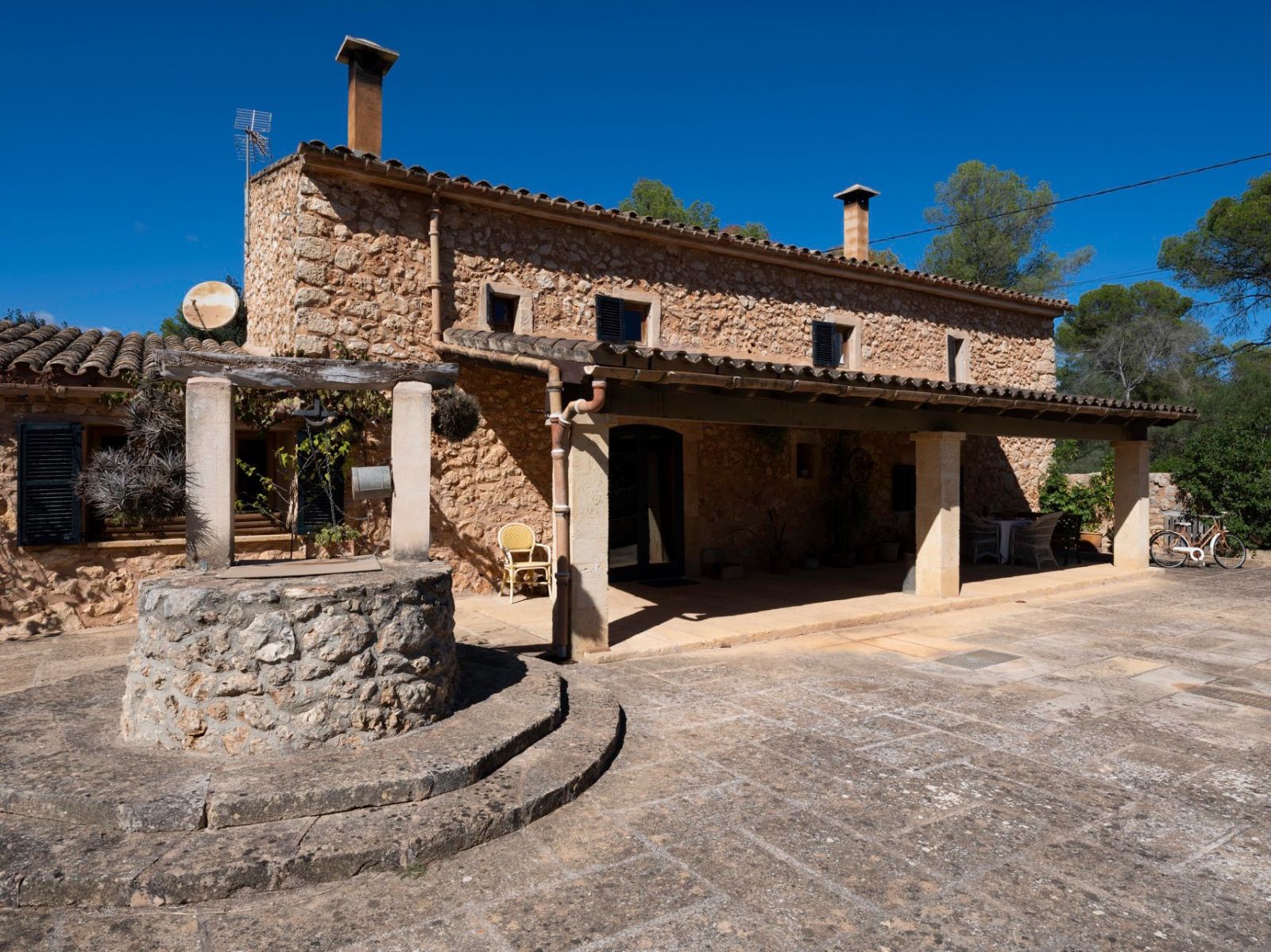
Historic fincas in Mallorca are far more than rural properties. They tell stories of agriculture, family history, craftsmanship and the island's original way of life. Many of these estates were built from natural stone and have been used, extended and lovingly preserved over generations.
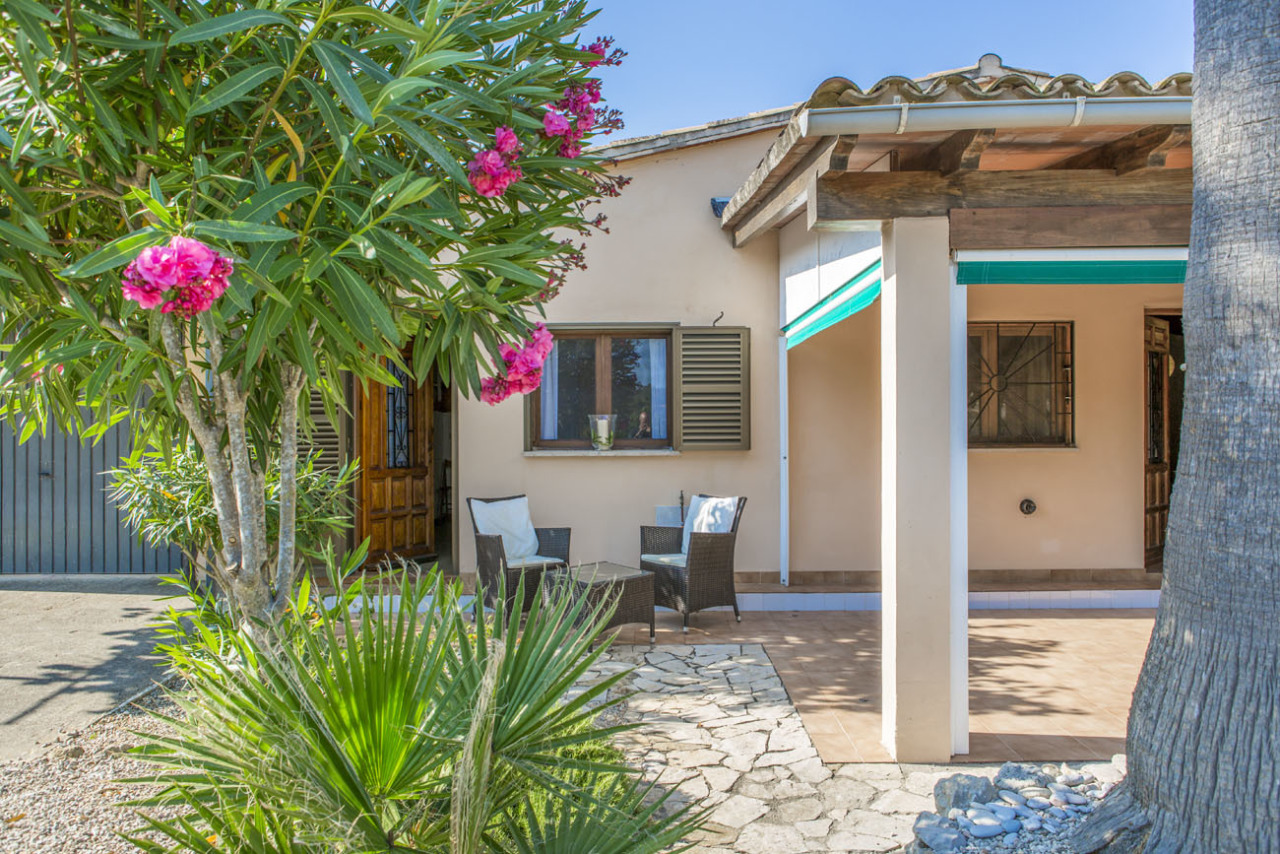
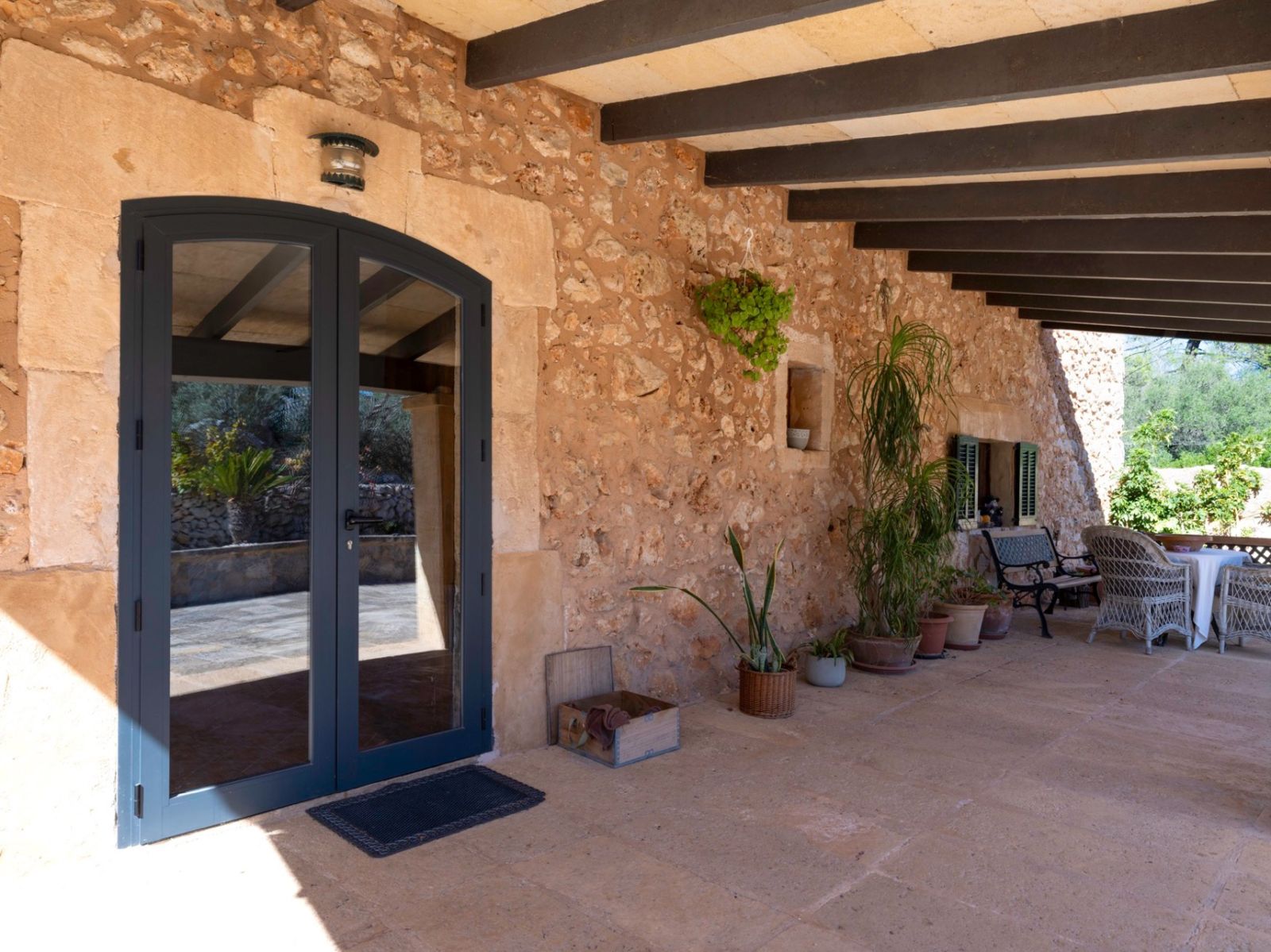
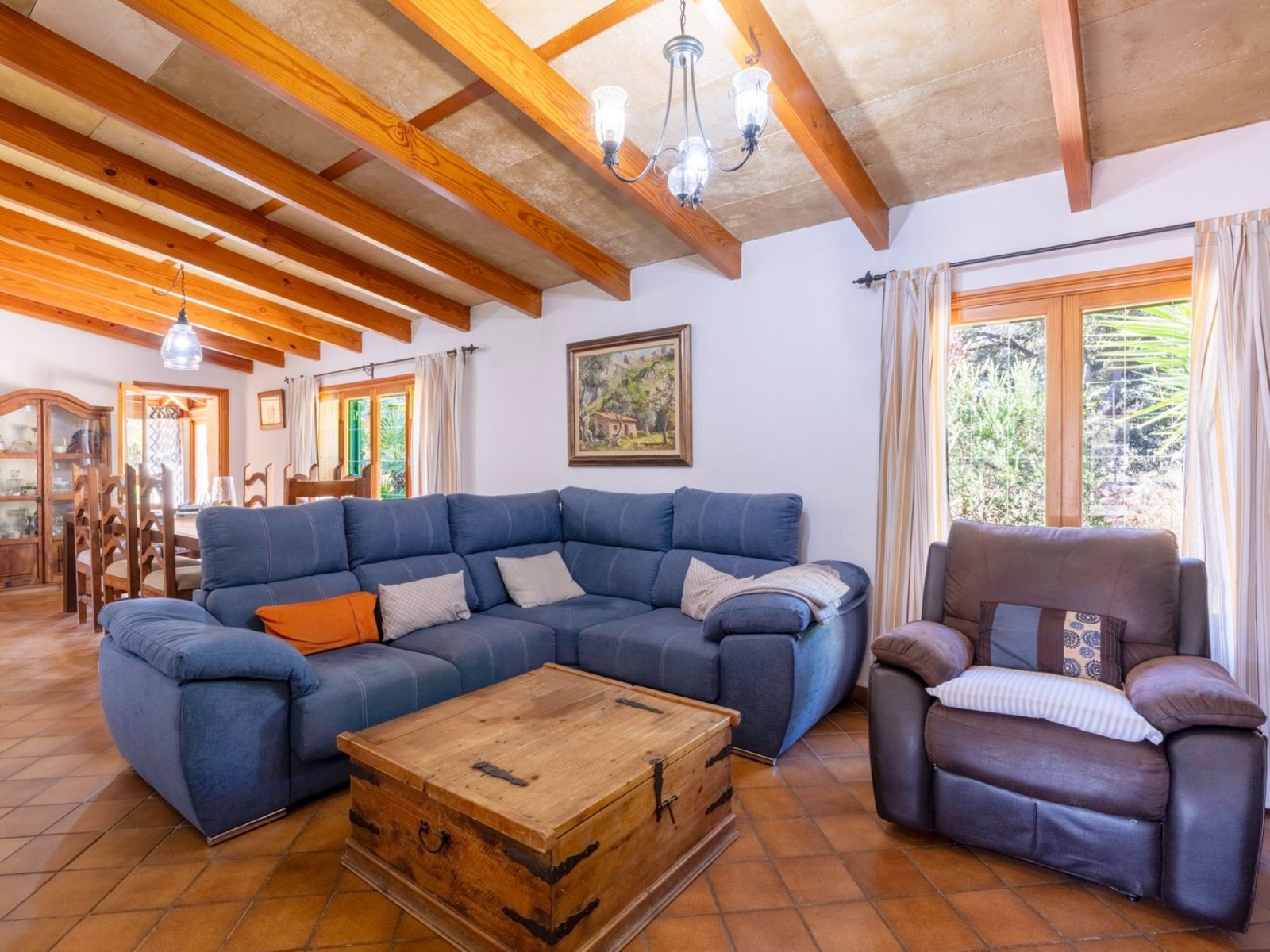
Their special appeal lies in the combination of authenticity and atmosphere. Thick stone walls, timber-beamed ceilings, terracotta floors, old wells, courtyards and mature gardens create a living environment that modern buildings can rarely reproduce.
At the same time, many historic fincas now offer a fascinating contrast: traditional on the outside and comfortably modernised inside. This blend of past and present makes them particularly interesting to buyers, admirers of Mallorcan architecture and people who appreciate properties with character.
A historic finca is not simply a house in the countryside. It is a piece of Mallorcan culture, embedded in nature, history and Mediterranean quality of life.
Video: the distinctive lifestyle of a finca in Mallorca
This video gives you an authentic impression of why fincas in Mallorca appeal to so many buyers. Whether a traditional natural-stone finca, a modernised country house or a spacious estate with a pool and garden, living in a finca represents tranquillity, privacy and Mediterranean freedom.
▶ Watch the video on YouTube
Historic fincas in particular convey a feeling deeply connected with the island: nature, open space, old materials and architecture that has evolved over decades or even centuries.
The history of Mallorcan fincas
The origins of many fincas reach far back into the past. For centuries, they were closely connected with Mallorcan agriculture. Olive groves, almond trees, vineyards, cereal fields and livestock shaped rural life. A finca was not only a home, but also a workplace, the centre of family life and its economic foundation.
Particularly large country estates, known as possessions, played an important role in Mallorca's history. They were often self-contained agricultural enterprises with residential buildings, stables, storage rooms, presses, cisterns and chapels. Many of these estates still shape the island's landscape today.
Smaller historic fincas also tell the story of this past. Their construction was practical, robust and suited to the Mediterranean climate. Thick walls protected the interior from summer heat and retained warmth in winter. Courtyards provided shade, while wells and cisterns secured the water supply.
Historic fincas are an important part of Mallorcan identity. They demonstrate how closely architecture, landscape and agriculture were connected on the island.
Typical architecture of historic fincas in Mallorca
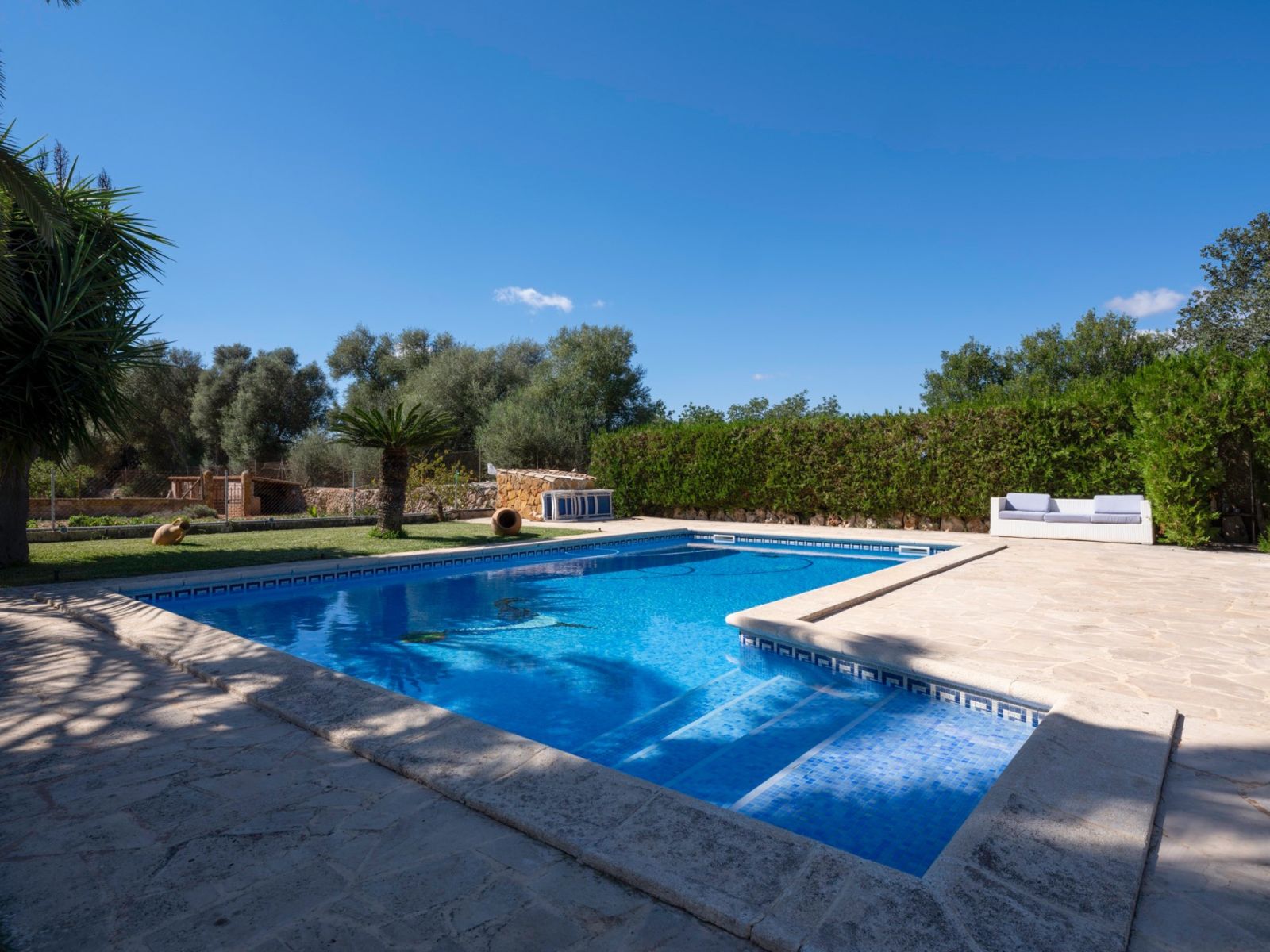
Historic fincas have an unmistakable architectural style that developed over centuries in response to Mallorca's climate. The materials used often came directly from the surrounding area and continue to give these properties their distinctive appearance.
Typical features include solid natural-stone façades, exposed timber-beamed ceilings, thick exterior walls, arches, traditional shutters and spacious courtyards. Many buildings were originally designed to provide a pleasant indoor climate even without modern technology. Their architecture combines functionality with timeless beauty.
Estates that retain their original features have particular character. Old stone ovens, historic wells, traditional cisterns and centuries-old olive trees give each property its individual identity.
Today, many historic fincas are carefully modernised. High-quality kitchens, modern bathrooms, underfloor heating and energy-efficient technology can be integrated harmoniously into the existing architecture.
Solid natural-stone walls help provide a pleasant indoor climate throughout the year.
Exposed timber beams add warmth and authenticity to the rooms.
Courtyards and terraces create flowing transitions between indoor and outdoor spaces.
Typical features of a historic natural-stone finca
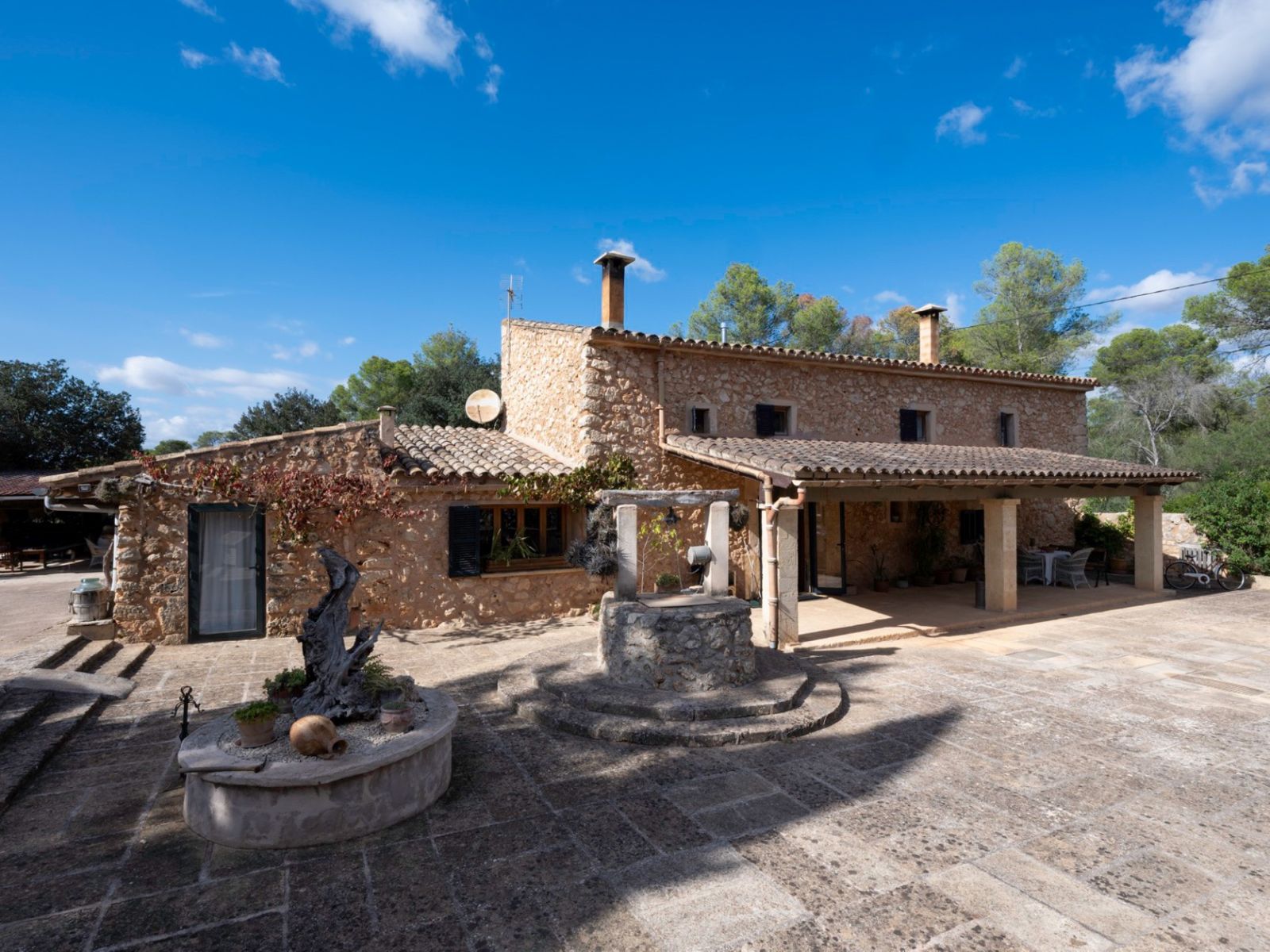
When people refer to a classic Mallorcan finca, they usually mean a property with particular architectural and landscape features. These characteristics create the charm of historic estates and distinguish them clearly from modern new-build properties.
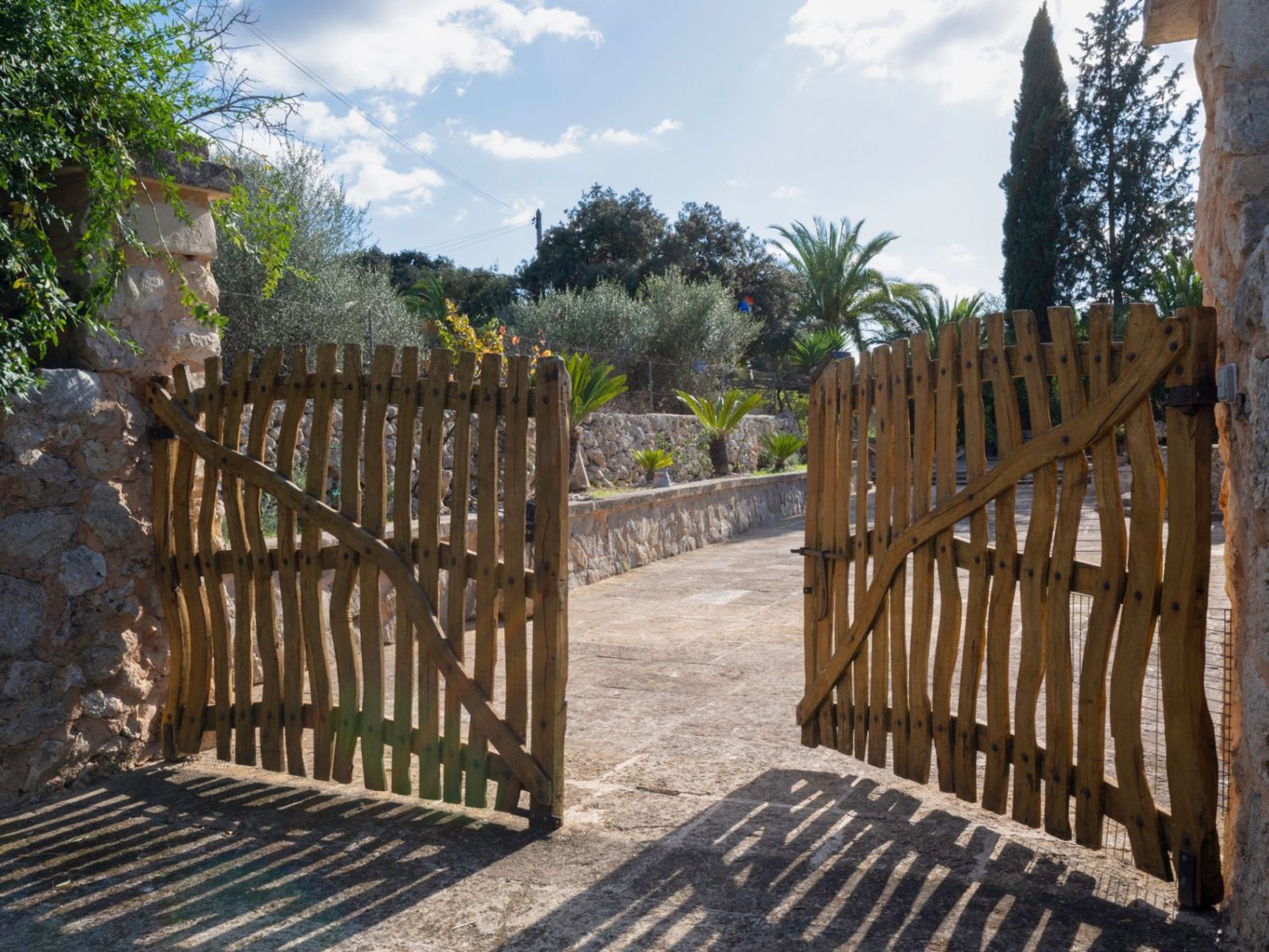
Many fincas stand on generous plots surrounded by almond trees, olive groves, pines or Mediterranean gardens. At the same time, they often offer a high degree of privacy without necessarily being completely isolated.
The combination of nature, traditional materials and a structure that has evolved over decades creates an atmosphere that many buyers deliberately seek. Historic natural-stone fincas are therefore appreciated by buyers who want a property with history and individual character.
Historic natural-stone façades in traditional Mallorcan construction.
Courtyards, wells, old cisterns and Mediterranean gardens.
Olive groves, almond trees and generous plots offering plenty of privacy.
Exposed timber beams and traditional terracotta floors.
Arches, natural-stone walls and handcrafted details.
A unique combination of history, nature and living comfort.
Possessions – Mallorca's great historic country estates
The properties known as possessions are among Mallorca's most impressive historic estates. These large country estates often originated several centuries ago and served as economic centres for entire regions. They included extensive land, residential buildings, stables, workshops and often even their own chapels.
Many possessions are now privately owned and have been restored with great care. Some are used as exclusive residences, while others serve as boutique hotels or event venues. They are regarded as important witnesses to Mallorcan history and culture.
The architecture of these estates is often particularly impressive. Grand courtyards, historic stone façades, spacious reception areas and centuries-old gardens still offer an impression of the lives of their former landowners.
For lovers of historic property, possessions represent the most exclusive form of a traditional finca. They combine history, prestige and exceptional architecture in a unique way.
Possessions are among Mallorca's most important historic buildings and reflect the island's economic and social development over many generations.
The most beautiful areas for historic fincas in Mallorca
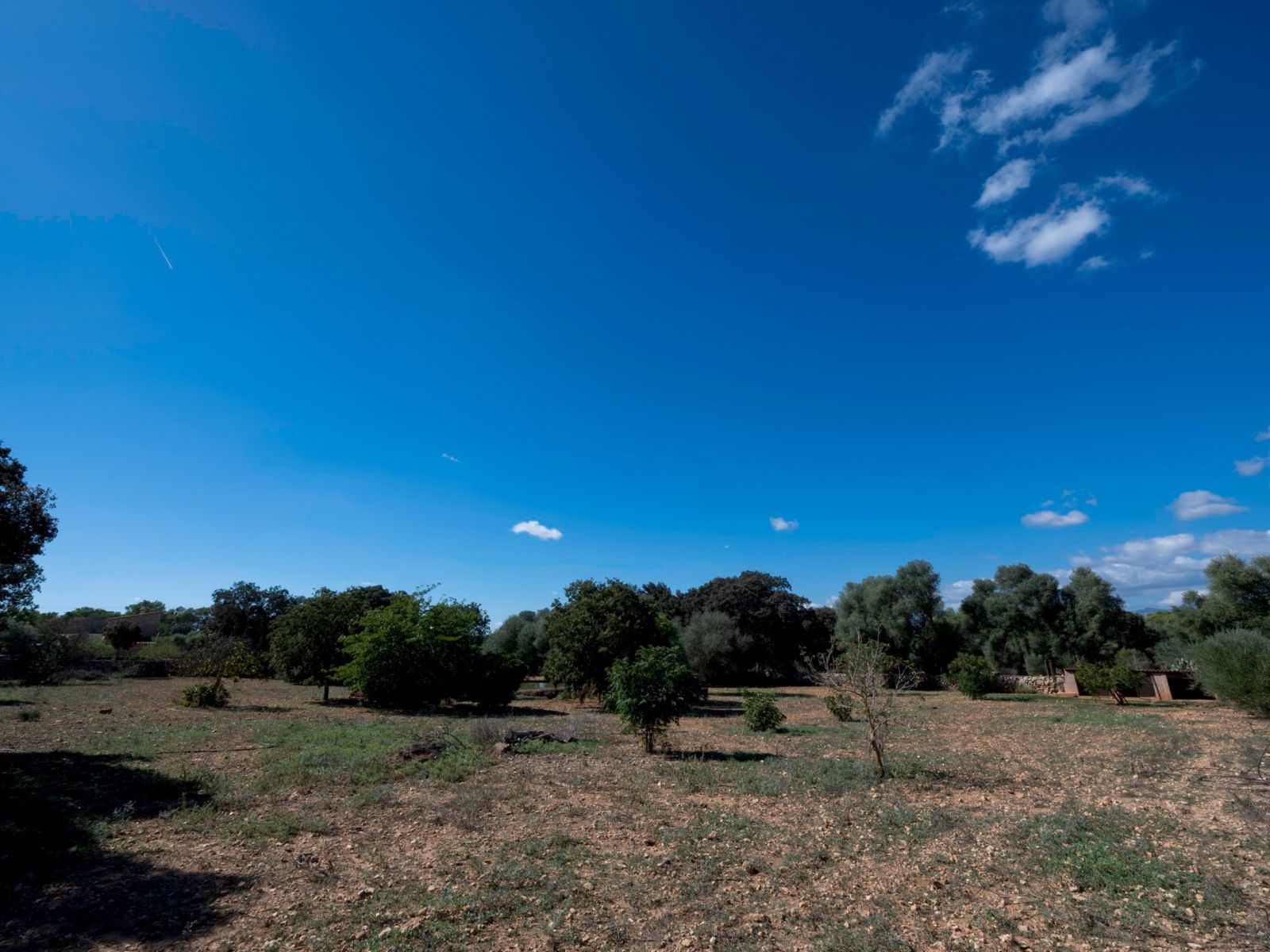
Historic fincas can be found throughout the island, although some areas are especially well known for their traditional estates. Each area has its own character and individual advantages.
The Serra de Tramuntana, with towns such as Deià, Valldemossa and Fornalutx, offers spectacular landscapes and some of Mallorca's most impressive historic estates. The region is a UNESCO World Heritage Site and combines nature, culture and exclusivity in a distinctive way.
In the island's interior around Sineu, Petra, Montuïri and Sant Joan, there are numerous traditional country houses and natural-stone fincas. Here, owners experience authentic Mallorca with open landscapes, agriculture and villages with their own identity.
The southeast around Santanyí, Cas Concos and Felanitx is also one of the most popular areas for historic fincas. Proximity to the coast, charming town centres and Mediterranean landscapes make this area particularly attractive.
From the Tramuntana to the southeast, Mallorca offers an exceptional variety of historic fincas, each with its own character.
Llucmajor and southern Mallorca – traditional country estates with plenty of space
The Llucmajor area is one of the most interesting locations for buyers of historic fincas. Around Mallorca's largest municipality, there are numerous former country estates, traditional natural-stone fincas and spacious properties with extensive grounds.
Many of these properties are only a few minutes from Palma or the south coast while still offering a high degree of tranquillity and privacy. This combination makes Llucmajor particularly attractive to both domestic and international buyers.
Anyone wishing to learn more about the area will find further information in our article about Llucmajor – a town with heart in the island's interior.
Renovation and heritage protection – what buyers should consider
Buying a historic finca often brings responsibility for preserving a piece of Mallorcan history. Many estates have already been carefully modernised, while others await comprehensive renovation. For many buyers, this is part of their special appeal, because every restoration continues the story of a building.
Before buying, a thorough assessment of the building's condition, permit status and possible heritage restrictions is advisable. Some historic buildings are subject to specific requirements that must be considered when planning alterations or extensions.
Professionally renovated fincas combine traditional charm with modern living comfort. Underfloor heating, air conditioning, modern building technology and energy-efficient solutions can often be integrated harmoniously into the historic architecture.
Working with experienced architects, technicians and specialist contractors can help preserve historic properties in the long term while adapting them to present-day living requirements – provided that the legal and structural conditions allow it.
Permits and possible heritage restrictions should be checked before buying.
Historic buildings often require professional renovation and maintenance.
Modern technology can frequently be integrated very successfully into traditional architecture.
Buying a historic finca: important checks before deciding
With an old natural-stone finca, the special atmosphere should not be the only deciding factor. The physical buildings may have changed over many decades. The main house, pool, terraces, outbuildings and possible extensions should therefore be compared with the available permits, Land Registry information, cadastral records and other relevant documents.
A technical assessment of the building is equally important. The roof, natural-stone walls, damp, drainage, electrics, water pipes, heating, access and utility systems can have a considerable impact on future renovation and maintenance requirements.
Legal documents: ownership, encumbrances, permits, permitted use and documented buildings.
Technical condition: roof, walls, damp, installations and foreseeable renovation requirements.
Utilities and access: water, electricity, internet, access and, where applicable, documented rights of way.
Important: The binding legal review should be carried out by an independent lawyer specialising in Spanish property law. For construction-related matters, an assessment by an architect or qualified technical surveyor is also advisable.
How much does a historic finca in Mallorca cost?
Historic fincas are among the most sought-after properties in Mallorca, so prices vary widely. Smaller estates requiring renovation in the island's interior can be considerably less expensive than fully restored luxury fincas in prime locations.
Particularly exclusive properties in the Serra de Tramuntana, around Deià and Valldemossa or in selected areas of the southeast regularly command high prices. The decisive factors are location, plot size, condition, historic significance and the quality of the renovation.
Some buyers consider historic fincas not only as homes but also from a long-term perspective. Factors relevant to a future resale include the micro-location, condition, authorised buildings, quality of the renovation, ongoing maintenance requirements and the market conditions at that time. No particular increase in value or time required for a sale can be guaranteed.
High-quality estates with preserved original features and generous grounds are among Mallorca's most exclusive types of property.
Historic fincas combine authenticity, individual architecture and Mediterranean quality of life. However, the overall package of location, condition, documentation and realistically calculated maintenance is always decisive.
Who is buying a historic finca suitable for?
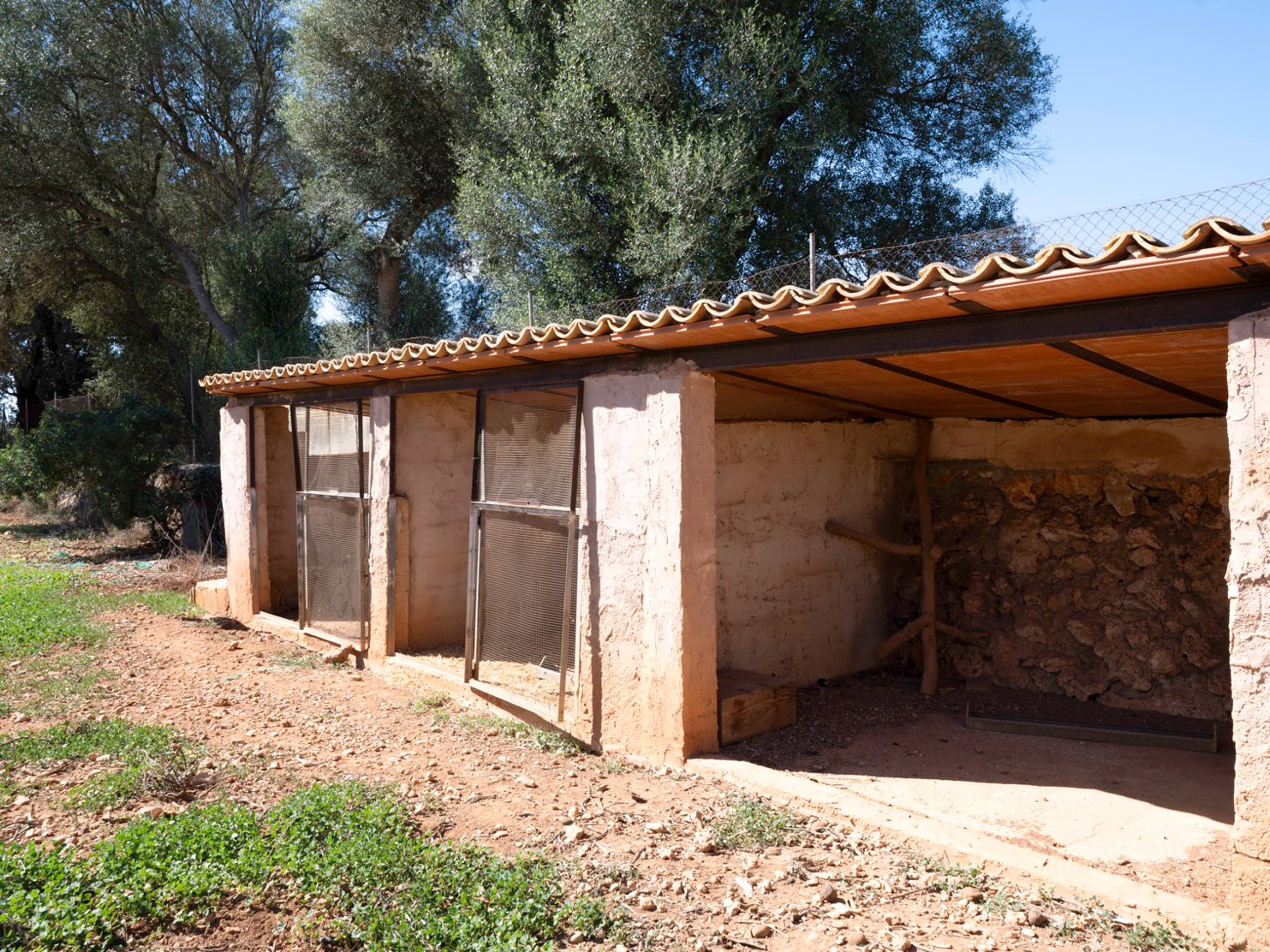
Historic fincas appeal to people who are looking for more than a conventional property. They are aimed at buyers who value individuality, character, privacy and an authentic living environment.
Many owners appreciate the tranquillity of rural areas, generous plots and connection with nature. At the same time, numerous fincas offer good access to Palma, coastal areas and the airport.
Whether used as a main residence, second home, family estate or long-term property, historic fincas offer a variety of possibilities. Buyers who appreciate Mediterranean architecture and Mallorcan tradition will find a type of property with exceptional character.
Ideal for admirers of Mallorcan architecture and historic buildings.
Particularly suitable for people seeking tranquillity, nature and privacy.
Suitable as a residence, holiday home or property for long-term use.
Frequently asked questions about historic fincas in Mallorca
What is the difference between a finca and a possessió?
The term finca generally refers to a rural plot or estate. A possessió is a usually larger historic country estate that often operated as an independent agricultural enterprise in the past.
Is every historic finca protected as a heritage building?
No. Whether protective restrictions apply depends on the specific building, its classification and local regulations. This should be checked individually before planning any alterations.
Can an old finca be modernised?
Modernisation is often possible in principle. However, its scope and execution depend on the building's condition, permit status and any heritage restrictions.
What additional costs should be budgeted for?
In addition to buying costs, expenses may arise for surveys, renovation, building technology, energy supply, garden care and ongoing maintenance.
Can a historic finca be let to tourists?
Holiday letting is not automatically permitted. It is only an option if the specific property meets the applicable requirements and the necessary licences or registrations are in place.
Where can I find current fincas for sale?
Our current fincas and country houses in Mallorca provide an overview of different areas, sizes and features.
Conclusion: historic fincas preserve Mallorca's original character
Historic fincas are among Mallorca's most impressive properties. They combine traditional architecture, Mediterranean landscapes and a history that has often evolved over generations. Natural stone, courtyards, centuries-old trees and handcrafted details create an atmosphere that modern properties can scarcely reproduce.
Anyone choosing a historic finca not only acquires a property, but also assumes responsibility for a piece of Mallorcan architectural culture. At the same time, many estates now offer living comfort that meets the requirements of modern life.
From the Serra de Tramuntana and the island's interior to the south around Llucmajor, exceptional fincas can be found with very different characters. They all have one thing in common: they tell Mallorca's story in a way that can be experienced, felt and preserved.
Historic fincas combine tradition, architecture, nature and quality of life. With careful checks and realistic planning, they can become an exceptional home in Mallorca.
Are you looking for a broader overview of areas, prices, utilities and the buying process? Then also read our guide to Buying a finca in Mallorca. You can find current listings directly among our fincas and country houses in Mallorca.