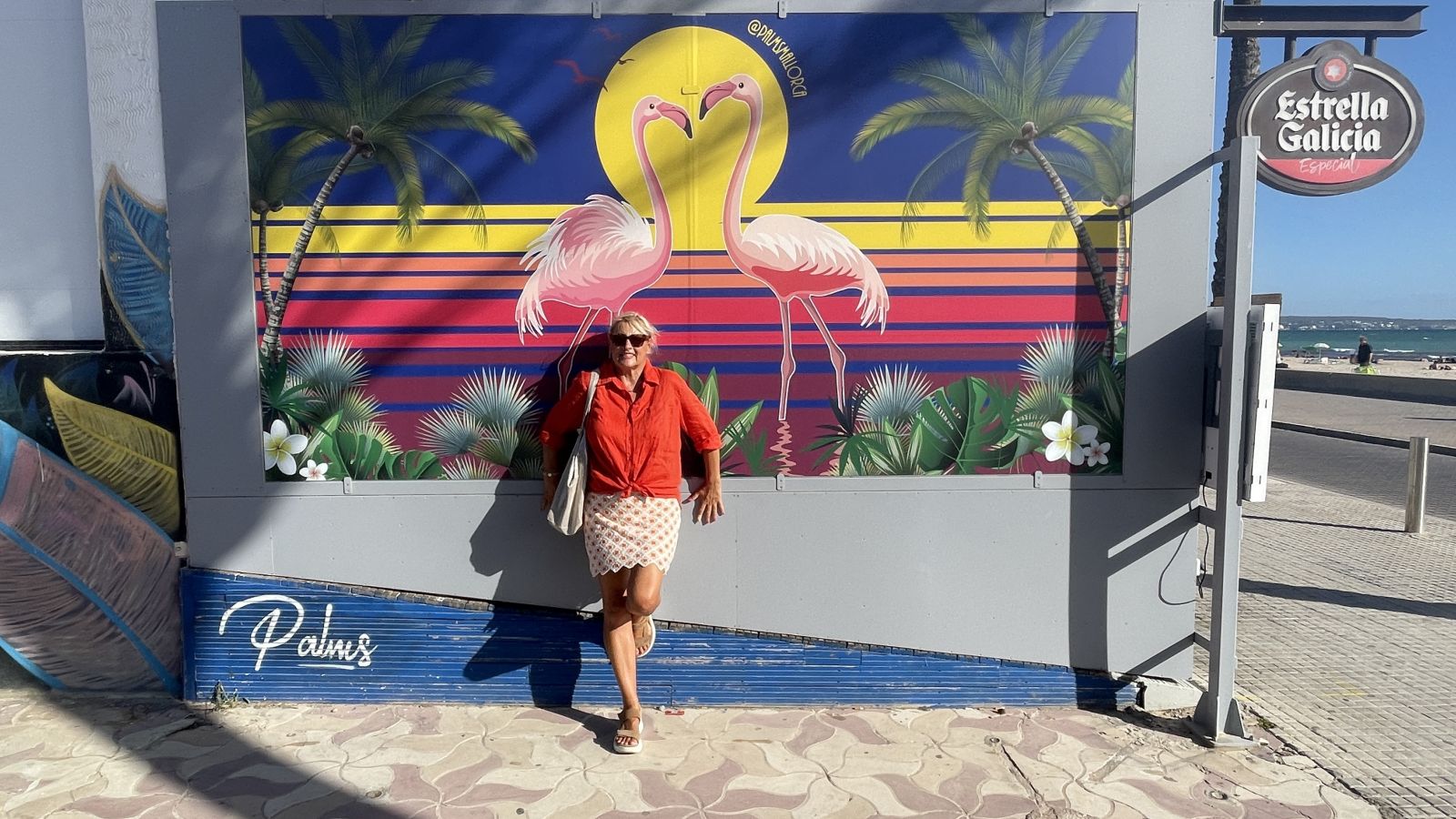
Living in Mallorca – Experiences, Costs and Tips for Expats
For many people, Mallorca is far more than a holiday destination. The island represents Mediterranean quality of life, sunshine, sea, nature and an international environment. However, anyone planning to live permanently in Mallorca or establish a second home here should be well prepared. Daily life, living costs, employment, healthcare, choosing the right area and purchasing property are very different from a typical holiday experience.
Why So Many People Want to Live in Mallorca
Life in Mallorca attracts people from all over the world. The island combines a pleasant climate, excellent infrastructure and remarkable natural diversity. Within a short distance, residents can reach beaches, mountains, traditional villages, local markets, marinas and the vibrant city of Palma.
Many residents particularly appreciate the relaxed pace of life. Much of daily life takes place outdoors, commuting times are often shorter than in large cities and the Mediterranean atmosphere becomes part of everyday living. At the same time, Mallorca offers modern healthcare, international schools, excellent shopping opportunities and an outstanding culinary scene.
Anyone considering a move to Mallorca should think beyond sunshine and beaches. Living on the island also involves practical matters such as residency, healthcare, taxation, language, education, employment and selecting the most suitable location.
This is why careful planning is essential. Those who prepare thoroughly and understand their personal priorities can enjoy an exceptional quality of life in Mallorca.
Mallorca is ideal for those seeking to combine a Mediterranean lifestyle, international infrastructure and a high quality of life.
Cost of Living in Mallorca
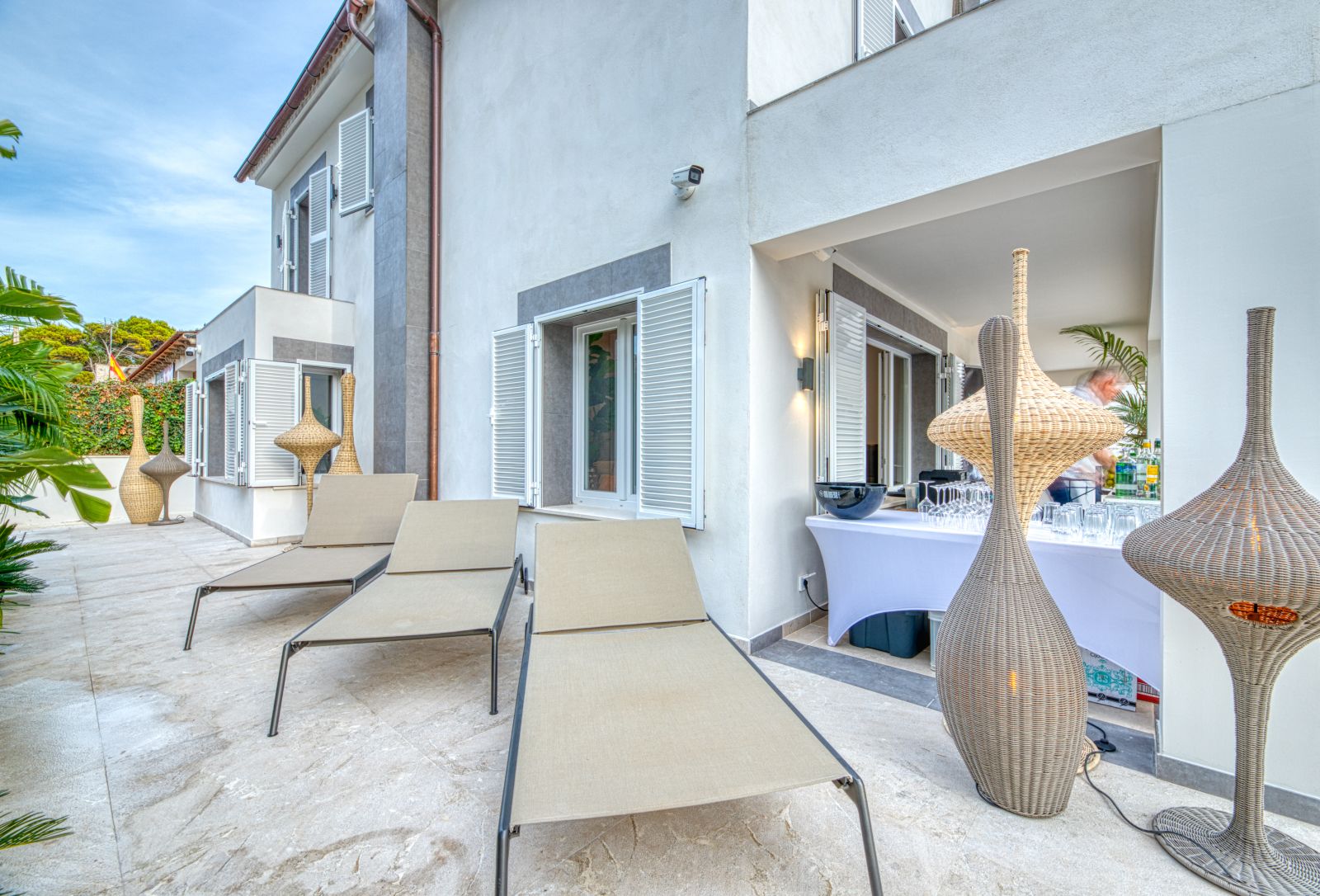
One of the most common questions before relocating is: Is living in Mallorca expensive? The answer depends largely on lifestyle and location. Palma, sought-after coastal towns and exclusive residential areas are generally much more expensive than rural communities or villages in the island’s interior.
The cost of groceries, dining out, rent, insurance and services can vary significantly depending on where you live. Those wishing to live close to the sea or in central areas should expect higher expenses. However, there are also regions where an excellent quality of life can be enjoyed with a far more balanced cost-to-value ratio.
It is important to create a realistic monthly budget. In addition to rent or mortgage payments, expenses such as utilities, transportation, healthcare, taxes, internet, savings and regular travel should be taken into account.
Anyone planning to live permanently in Mallorca should consider not only purchase or rental costs but also everyday practicality. A property in a well-connected location can often provide greater long-term value than a seemingly cheaper option in a less convenient area.
Palma and highly desirable coastal areas are usually considerably more expensive.
A realistic budget should include insurance, transport, taxes and ongoing living expenses.
Regions with strong infrastructure often provide the best balance between quality of life and everyday convenience.
Working and Earning Money in Mallorca
Professional life in Mallorca is heavily influenced by the island’s economic structure. Tourism, hospitality, construction, services, real estate, healthcare and international business all play an important role. While many people work seasonally, others build successful careers and businesses on the island throughout the year.
For international residents, particularly those serving foreign clients, there are numerous opportunities in sectors such as real estate, customer support, construction and renovation projects, financial services, insurance, marketing, online services and tourism-related businesses.
Remote work and self-employment are also key reasons why many people choose Mallorca as their permanent home. Those who can work digitally benefit from an outstanding quality of life combined with excellent international connections. However, it is essential to clarify tax obligations, social security contributions and administrative requirements before making the move.
Anyone planning to establish a professional career in Mallorca should invest time in learning Spanish and showing an interest in local culture. Language skills not only improve employment opportunities but also make everyday life and social integration significantly easier.
Anyone planning to work in Mallorca should familiarise themselves with language requirements, administrative procedures, taxation and realistic income expectations at an early stage.
Housing and Property in Mallorca
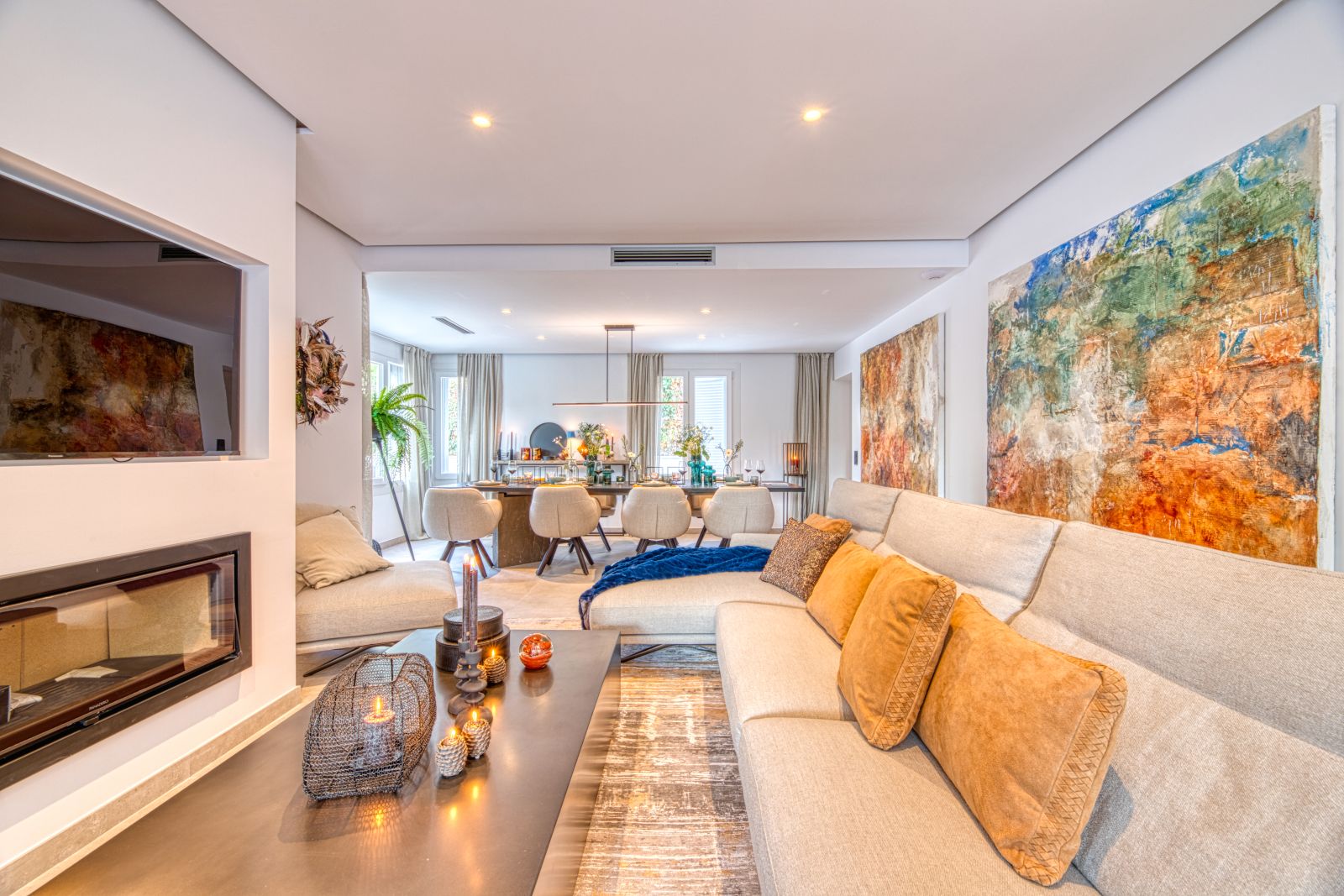
Choosing the right property is one of the most important decisions when moving to Mallorca. Whether it is an apartment, house, villa, bungalow or finca, each type of property offers a different lifestyle and suits different personal circumstances.
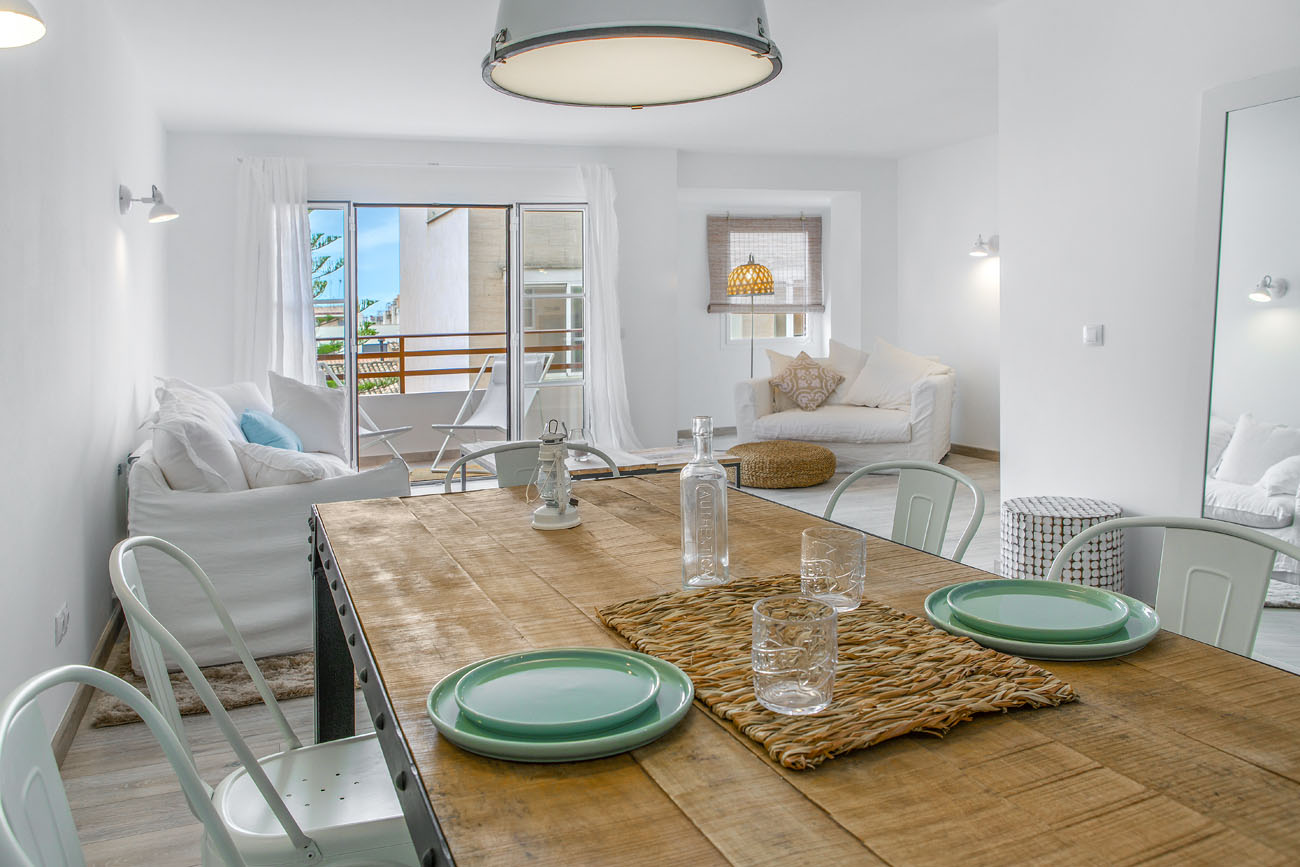
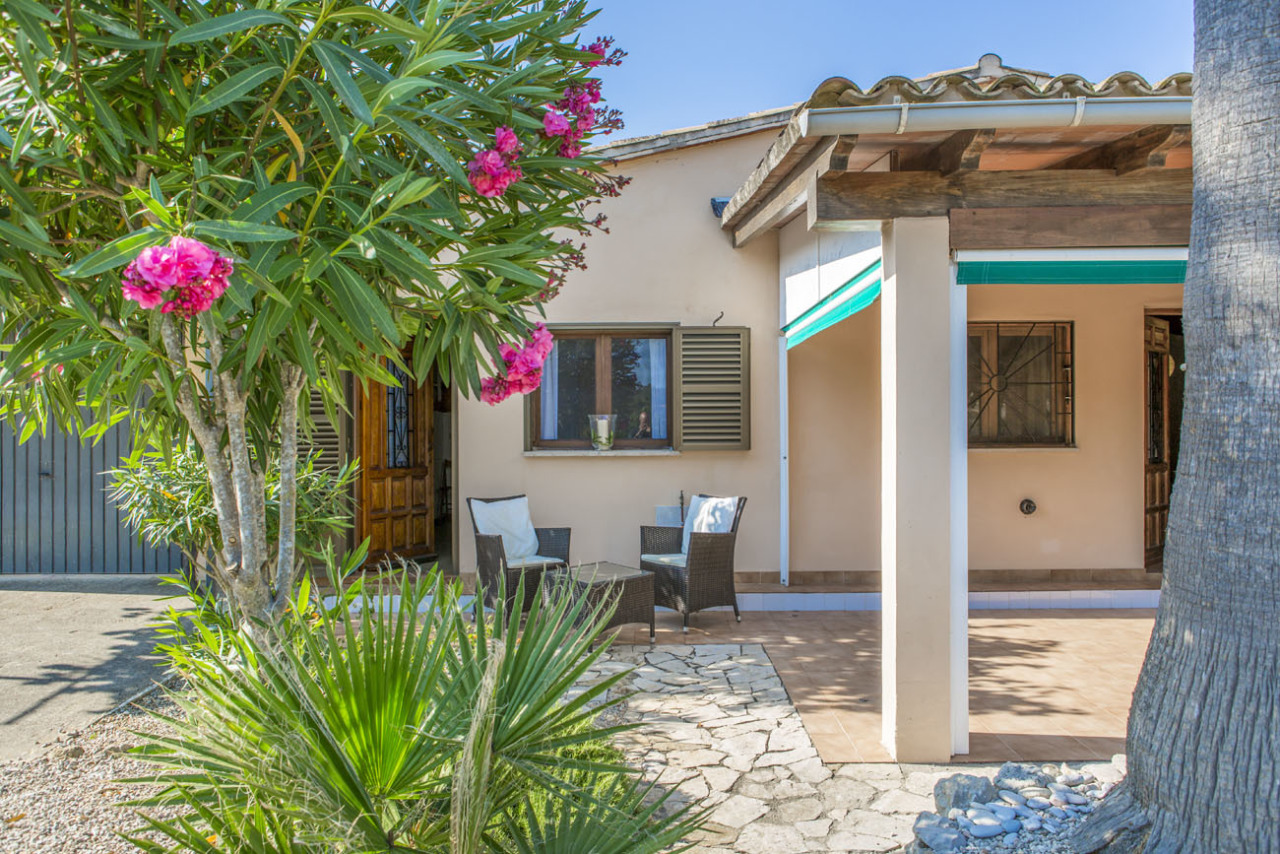
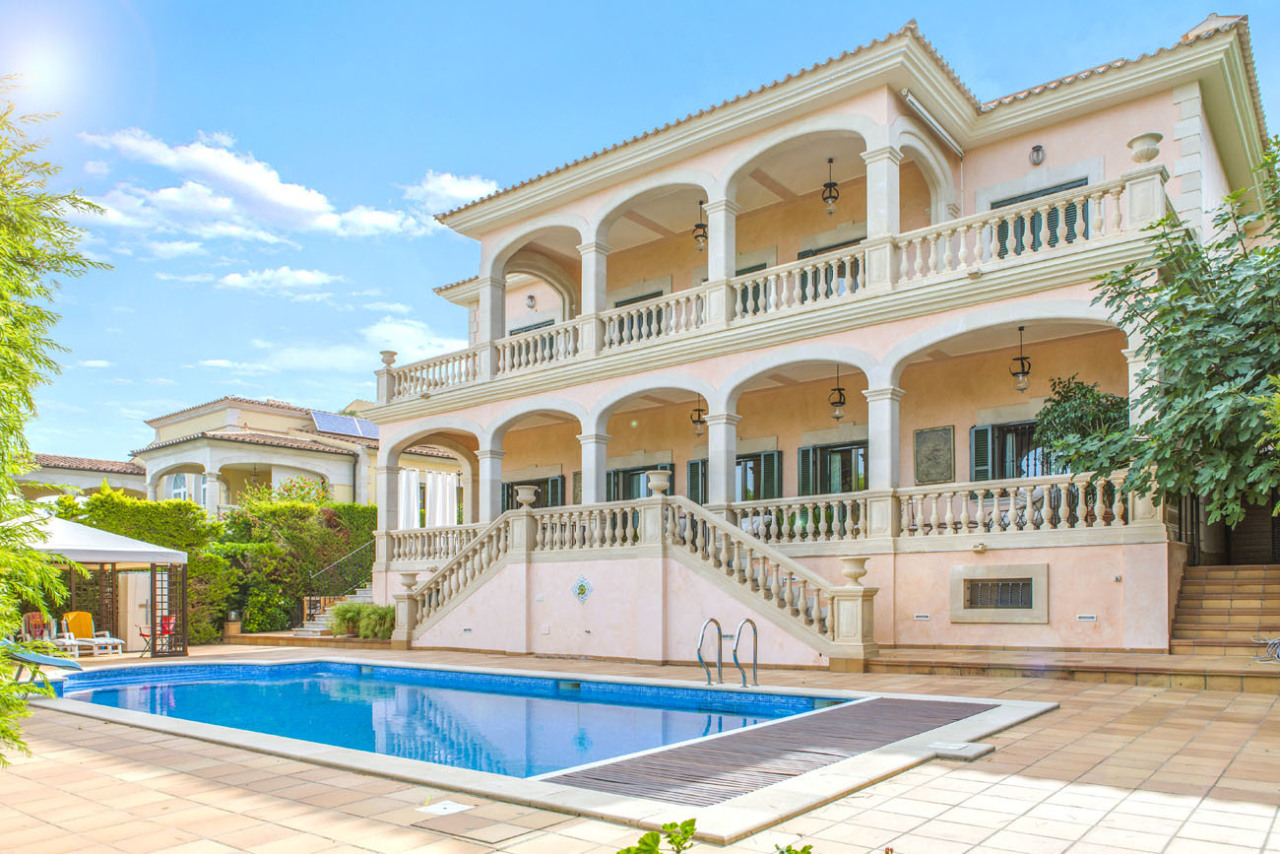
Apartments are often ideal for buyers seeking a low-maintenance property or spending only part of the year on the island. Houses and villas provide more space, privacy and outdoor living areas. Fincas and country homes are particularly attractive to those looking for tranquillity, nature and a more authentic Mallorcan lifestyle.
Before purchasing a property, factors such as location, condition, legal status, ongoing costs, accessibility and long-term suitability should be carefully assessed. This is especially important for older properties or rural homes where additional due diligence may be required.
Anyone intending to live permanently in Mallorca should not base their decision solely on appearance. The most important consideration is whether the location, infrastructure and property type genuinely support everyday life and long-term plans.
Apartments are often ideal for second homes and low-maintenance ownership.
Houses and villas provide more space, privacy and a true Mediterranean lifestyle.
Fincas and country homes are perfect for those seeking peace, privacy and nature.
Which Areas Are Best for Living in Mallorca?
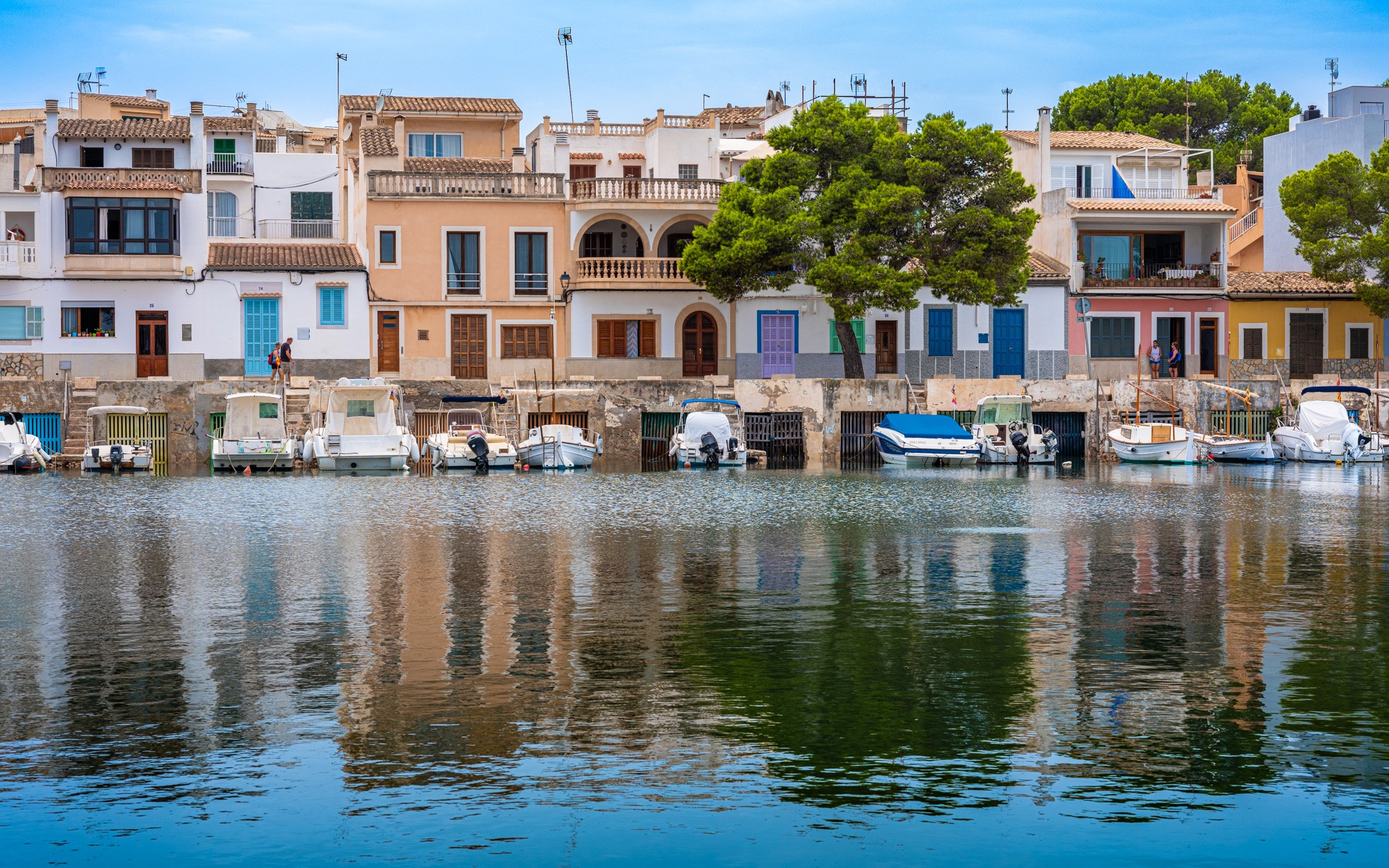
Mallorca offers a wide variety of locations suited to different lifestyles. Those seeking an urban environment often choose Palma, where they enjoy an international atmosphere, excellent cultural offerings, outstanding restaurants and modern infrastructure. Those looking for greater tranquillity frequently consider the island’s interior or selected areas in the north and northeast.
For many buyers, the Llucmajor region is particularly attractive. It combines proximity to Palma and the airport with easy access to the coast, strong infrastructure and a more authentic atmosphere than many purely tourist-oriented destinations. Areas such as Maioris, Puig de Ros, Bahia Grande and Bahia Azul are especially popular among residents and second-home owners.
The town of Llucmajor itself also offers numerous advantages. Weekly markets, shops, restaurants, schools, medical facilities and an established local community make it highly practical for everyday life. At the same time, the coastline, Palma and the airport are all within easy reach.
You can learn more about this attractive region in our detailed article about Llucmajor in Mallorca.
Choosing the right location is one of the most important factors in ensuring that life in Mallorca truly matches your long-term expectations and lifestyle.
Healthcare, Education and Everyday Life in Mallorca
Mallorca offers a well-developed healthcare system. The island is home to public hospitals, private clinics, specialist doctors, healthcare centres and numerous international medical professionals, including English-speaking practitioners. Many residents also choose private health insurance to benefit from greater flexibility and shorter waiting times.
For families, Mallorca provides excellent educational opportunities. Alongside Spanish public schools, there are international schools, bilingual programmes and a wide range of private educational institutions. Families planning to relocate should research school availability, teaching languages and commuting distances well in advance.
Daily life on the island is generally comfortable and well organised, although certain administrative procedures require patience. Residency registration, insurance matters, vehicle registration, banking and tax-related processes can sometimes take longer than expected. Professional guidance often helps simplify these procedures considerably.
Mallorca offers high-quality healthcare, and private insurance can provide additional benefits.
International schools make Mallorca particularly attractive for families relocating from abroad.
Good preparation helps make administrative procedures and integration significantly easier.
The Most Common Mistakes When Moving to Mallorca
Many people underestimate the difference between spending a holiday in Mallorca and living on the island permanently. While everything may seem easy and relaxed during a vacation, everyday life requires planning, organisation and realistic expectations.
One of the most common mistakes is purchasing or renting a property too quickly without fully understanding the area. Places that feel lively and exciting during summer can become very quiet in winter, while other locations may be significantly busier during the peak tourist season than expected.
People also often underestimate the importance of language skills, taxation, ongoing costs and administrative procedures. Proper preparation can help avoid many of these challenges and make the transition considerably smoother.
The best approach is to visit different regions during various times of the year and seek advice from experienced professionals who understand the local market and lifestyle.
The most important advice is to view Mallorca not simply as a holiday destination, but as a genuine place to live, with long-term responsibilities, commitments and decisions.
Moving to Mallorca Checklist
Apply for your NIE number
The Spanish foreign identification number is required for many important procedures, including purchasing property, opening a bank account and signing contracts.
Arrange healthcare coverage
Consider whether public healthcare, private insurance or a combination of both is the most suitable option for your circumstances.
Choose your location carefully
Visit different regions during various seasons before making a long-term decision about where to live.
Seek professional tax advice
Tax residency, income, assets and property ownership should be reviewed by a qualified specialist.
Learn Spanish
Language skills make everyday life, integration, employment and administrative processes significantly easier.
Verify the legal status of any property
Before purchasing or renting long-term, ensure that all documentation, permits and associated costs have been carefully reviewed.
Frequently Asked Questions About Living in Mallorca
Is Mallorca expensive to live in?
This depends largely on location and lifestyle. Palma and prime coastal areas tend to be more expensive, while inland regions often offer better value for money.
Which area is particularly suitable for residents?
Llucmajor is highly regarded because it combines excellent infrastructure, proximity to Palma, easy access to the coast and an authentic Mallorcan lifestyle.
Do you need to speak Spanish to live in Mallorca?
Yes. Although many people speak other languages, basic Spanish skills greatly simplify everyday life, administration and social integration.