Rental agreement in Mallorca: rights and obligations for tenants and landlords
A rental agreement in Mallorca should be clear, complete and fair. This guide explains which details are important, which costs should be regulated and what tenants and landlords should pay particular attention to before signing.
What you can expect in this guide
Why a good rental agreement in Mallorca is so important
The rental market in Mallorca is dynamic. Many people are looking for an apartment or house for long-term rent, while owners want to let their property as securely, professionally and predictably as possible. This is exactly where a well-written rental agreement becomes essential. It creates clarity about the rent, duration, deposit, additional costs, use of the property, repairs, termination periods and special agreements.
A rental agreement in Mallorca is not just a formality. It is the basis for a reliable tenancy. The more precisely the key points are regulated, the lower the risk of later disputes. Especially with furnished apartments, houses with a pool, properties in homeowners’ associations or properties with parking, garden and communal facilities, the agreement should be prepared carefully.
These basic details belong in every rental agreement in Mallorca
A legally sound rental agreement begins with complete and clear details of the contracting parties. These include the full name of the landlord and tenant, the respective identification number such as DNI, NIE or CIF for companies, as well as an address suitable for official communication. Telephone number and email address are not always mandatory, but they are highly recommended in practice.
An exact description of the property is just as important. The agreement should record the full address, living area, location within the building, cadastral reference, use of garage, parking space, storage room, terrace, garden, pool or communal facilities, and the condition of the property as precisely as possible.

Key details at a glance
| Area | What should be regulated |
|---|---|
| Contracting parties | Name, identification number, address and contact details of landlord and tenant. |
| Property | Address, living area, floor, cadastral reference, additional areas and equipment. |
| Rent payment | Monthly rent, payment date, bank details and possible adjustments. |
| Use | Long-term residence, seasonal rental, furnished rental or tourist use. |
| Costs | Additional costs, electricity, water, gas, rubbish fees, community costs and other expenses. |
Distinguishing long-term rental, seasonal rental and holiday rental
In Mallorca, rental agreements are often divided into three main categories: long-term rental, seasonal rental and tourist holiday rental. It is important for tenants and landlords to understand these differences, because duration, rights, termination options and legal requirements depend on them.
Long-term rental as a habitual residence
In a classic long-term rental, the tenant uses the property as their habitual residence. Such agreements offer tenants special protection in Spain. The duration, automatic extensions and termination options are governed by legal provisions. Landlords should therefore not choose a type of agreement that only looks like a seasonal rental on paper but actually reflects permanent residential use.
Seasonal rentals and eleven-month agreements
Eleven-month rental agreements are often offered in Mallorca. However, what matters is not only the number of months, but the actual purpose of use. A genuine seasonal rental typically exists when the tenant uses the property only temporarily, for example due to work, studies, a project stay or a clearly limited transitional phase.
Holiday rental in Mallorca
Tourist rental is a separate area and is subject to special requirements in Mallorca. Holiday rental is not the same as normal long-term rental. Owners should carefully check whether tourist rental is permitted for the specific property and which official requirements apply.
Deposit, agency fee and additional costs in the rental agreement
The financial arrangements are among the most important parts of a rental agreement. The more clearly rent, deposit, additional costs and extra guarantees are described, the fewer disputes are likely to arise later.
Deposit and additional guarantees
In Spain, the deposit is referred to as the fianza. For residential rentals, it usually corresponds to one month’s rent. Additional guarantees may be agreed under certain conditions. It is important that the agreement clearly states which amounts have been paid, what they are intended for and when they will be returned after the end of the tenancy.
Agency fee when renting
Since the Spanish housing law reform, particular attention must be paid to who bears the agency fee when residential property is rented out. In many cases, this cost is borne by the landlord. The arrangement should be transparent for both parties before the agreement is signed.
Additional costs and running costs
The rental agreement should state exactly which costs the tenant assumes. Typical items may include electricity, water, gas, internet, rubbish fees, communal electricity or usage-based costs. Owners should clearly distinguish costs that should not or may not be passed on to the tenant.
Termination, owner’s own use and end of contract
Termination periods and the end of the agreement should be clearly regulated in the rental agreement. Different requirements apply to tenants and landlords. Tenants may terminate early under certain conditions, while landlords are much more strongly bound by legal requirements in residential rentals.
Owner’s own use may in principle be relevant in Spain, but it must be properly justified and verifiable. Landlords should not handle such steps verbally or informally, but should check in good time which deadlines, notices and requirements apply in the specific case.
Obligations of landlord and tenant during the rental period
A rental agreement regulates not only the beginning of the tenancy, but also everyday use. This includes maintenance, minor repairs, care of the property, compliance with house rules and how damage is handled.
The landlord must generally hand over the property in a habitable condition and enable necessary maintenance.
The tenant must use the property in accordance with the agreement, pay the rent, report damage and treat the property with care.
For apartments in a comunidad de propietarios, the community rules must be observed.
For furnished properties, a complete inventory list with photos should form part of the agreement.
Repairs and maintenance
Major maintenance is generally the landlord’s responsibility, unless caused by improper use by the tenant. Minor repairs or damage from normal use should be clearly distinguished. Vague wording such as “the tenant assumes all repairs” is problematic and should be avoided.

Common mistakes in rental agreements in Mallorca
Many problems do not arise because one party has bad intentions, but because the agreement is incomplete or worded too generally. Especially with properties in Mallorca, verbal promises are often made that are difficult to prove later.
Mistakes made by landlords
Landlords often underestimate the importance of an exact description of the property, equipment and cost allocation. Choosing the wrong type of agreement can also lead to problems later. Anyone letting a property long-term should not try to artificially present a genuine residential tenancy as a seasonal rental.
Mistakes made by tenants
Tenants often do not check carefully enough which costs are added to the rent. The condition of the property, existing damage, furniture, appliances and meter readings should also be documented before moving in. What is not recorded in writing is often difficult to prove later.
Checklist before signing the agreement
This checklist helps you review the most important points in a structured way before signing.
Are landlord, tenant and owner clearly named?
Are address, living area, additional areas and equipment complete?
Long-term rental, seasonal rental or holiday rental?
Rent, deposit, additional costs, electricity, water, gas and other costs?
Photos, inventory list, meter readings and visible defects?
Are deadlines, end of agreement and notice obligations understandable?
Are there rules for pool, garden, pets, quiet hours or use?
If in doubt, it is better to have the agreement legally reviewed before signing.
Why tenancy law also matters for buyers in Mallorca
Many buyers are interested not only in personal use, but also in renting out the property later. It therefore makes sense to check already during the purchase whether the property fits the intended use. An apartment in a homeowners’ association, a house with a pool or a finca in a rural area can each raise different practical and legal questions.
Anyone who wants to buy a property in Mallorca and rent it out later should consider not only purchase price and location, but also running costs, community rules, condition, permits and realistic demand at the location.
Would you like to buy, sell or rent in Mallorca?
Mallorca Topimmobilien supports you personally in finding the right property, selling your property and answering important questions about use, location, rental potential and market value.
Contact us nowFrequently asked questions about rental agreements in Mallorca
What must be included in a rental agreement in Mallorca?
Important elements include the details of the contracting parties, an exact description of the property, rent, duration, deposit, additional costs, use, termination periods and special agreements.
Is a verbal rental agreement sufficient?
For evidentiary reasons, a rental agreement should always be concluded in writing. Only then can rights, obligations and agreements be clearly traced later.
What is the difference between long-term rental and seasonal rental?
In a long-term rental, the property is used as a habitual residence. A seasonal rental is limited in time and purpose, for example for work, studies or a temporary stay.
Is an eleven-month agreement automatically a seasonal rental?
No. The actual purpose of use is decisive. If the property is used permanently as a residence, it may legally be a long-term rental.
How high is the deposit for residential rental?
For residential rentals, the statutory deposit usually corresponds to one month’s rent. Additional guarantees may be agreed depending on the situation.
Who pays the agency fee when renting?
When renting residential property, particular attention must be paid to the current Spanish legal situation. In many cases, the landlord bears the agency fee.
Which additional costs can the tenant assume?
Typical costs include electricity, water, gas, internet or usage-based costs. What matters is that the cost allocation is clearly regulated in the agreement.
Does the tenant pay the IBI property tax?
The IBI is generally an owner’s tax. Whether and which costs can be agreed should be checked on a case-by-case basis and regulated clearly.
Who is responsible for repairs?
Major maintenance is generally the landlord’s responsibility. Damage caused by improper use or agreed minor repairs may affect the tenant.
May the tenant sublet?
Subletting should be expressly regulated. Without the landlord’s consent, it is often problematic.
Are pets allowed?
This should be clearly regulated in the rental agreement. Rules of the homeowners’ association may also play a role.
What belongs in an inventory list?
Furniture, appliances, kitchen equipment, decoration, garden furniture, technical equipment and the condition of the items should be described as precisely as possible.
Should photos be attached to the agreement?
Yes, especially for furnished properties. Photos help objectively document condition, damage and equipment when moving in and out.
What happens in case of rent arrears?
The landlord can take legal action. Proper documentation, reminders and compliance with the legal procedure are important.
May the landlord increase the rent?
Rent increases are only possible within the legal and contractual framework. Flat-rate or arbitrary increases are problematic.
What applies in homeowners’ associations?
Tenants must observe the community rules, for example regarding pool, garden, quiet hours, pets or use of communal areas.
Can a landlord terminate for owner’s own use?
Owner’s own use can be relevant in principle, but must be properly justified contractually and legally. Deadlines and formal requirements are important.
What is different about holiday rental?
Holiday rental is not the same as normal residential rental. In Mallorca, it is subject to special requirements and should be checked separately.
Can a rental agreement be concluded in German?
A German version can be helpful. For legal certainty, a Spanish or bilingual version is often recommended so that both parties clearly understand the content.
When should you consult a lawyer?
For larger properties, high guarantees, unclear types of agreement, disputes, owner’s own use, rent arrears or holiday rental, professional review is advisable.
A clear rental agreement protects both parties
A good rental agreement in Mallorca is understandable, complete and realistic. It describes not only the property and rent, but also use, duration, costs, deposit, termination, maintenance and special agreements. For tenants, this means more security. For landlords, it means better planning and less risk.
Anyone renting or letting a property in Mallorca should take enough time for the agreement and should not make important arrangements only verbally. Careful review is particularly worthwhile for seasonal rentals, furnished properties, holiday rentals or homeowners’ associations.
Discover suitable properties in Mallorca

Modern apartments, city apartments and sea-view apartments in Mallorca.
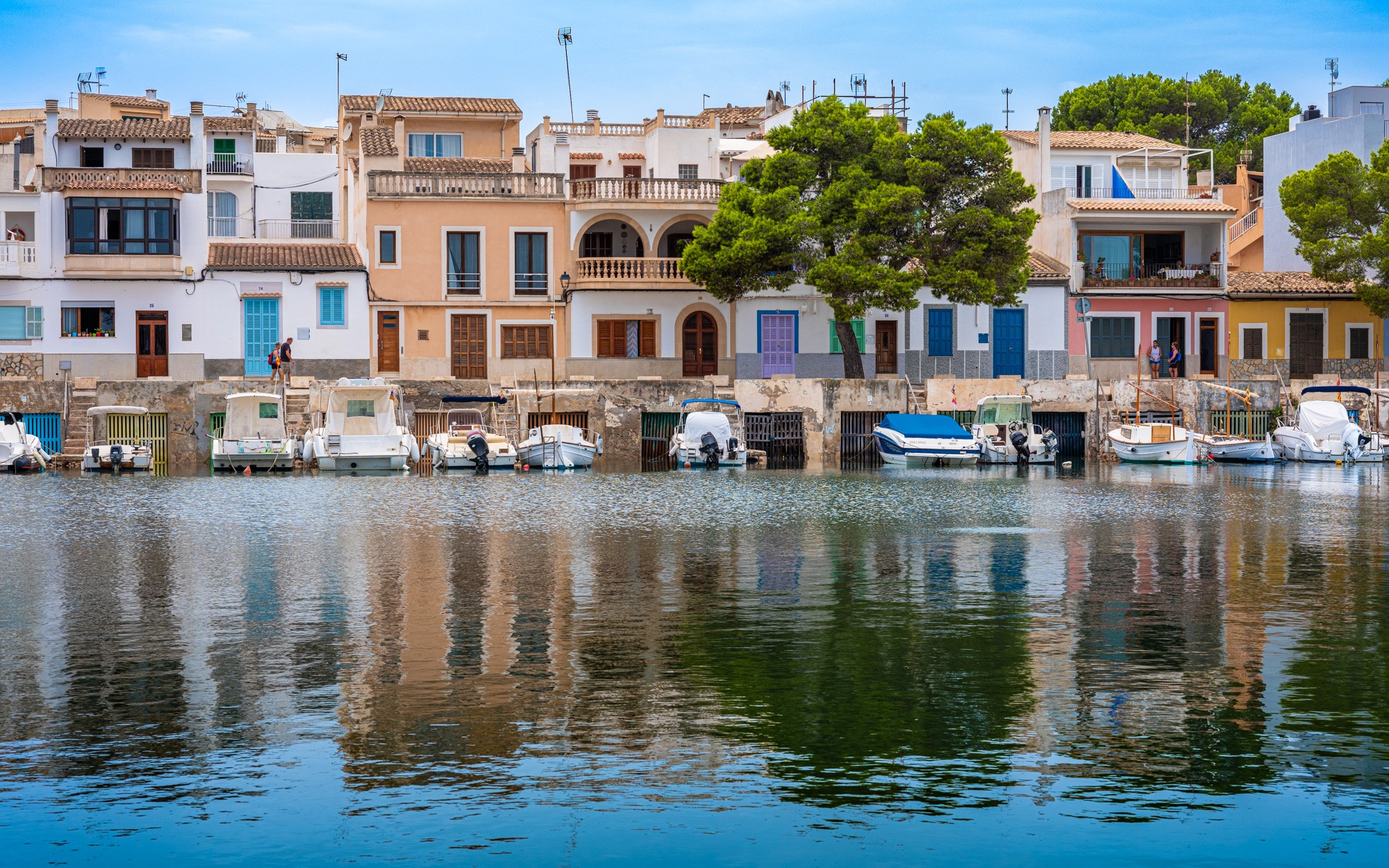
Properties with garden, pool, privacy and Mediterranean lifestyle.
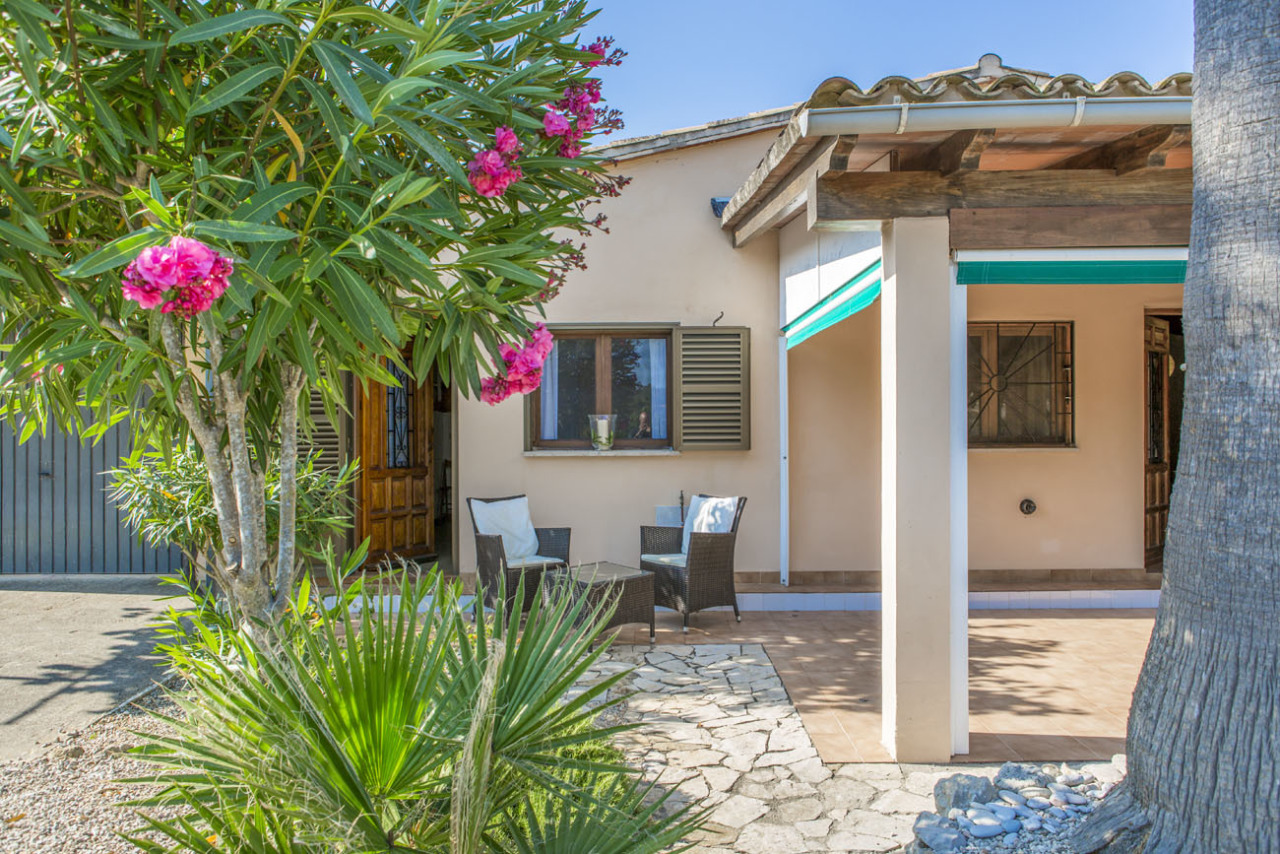
More peace, more space and authentic Mallorca in the island’s interior.
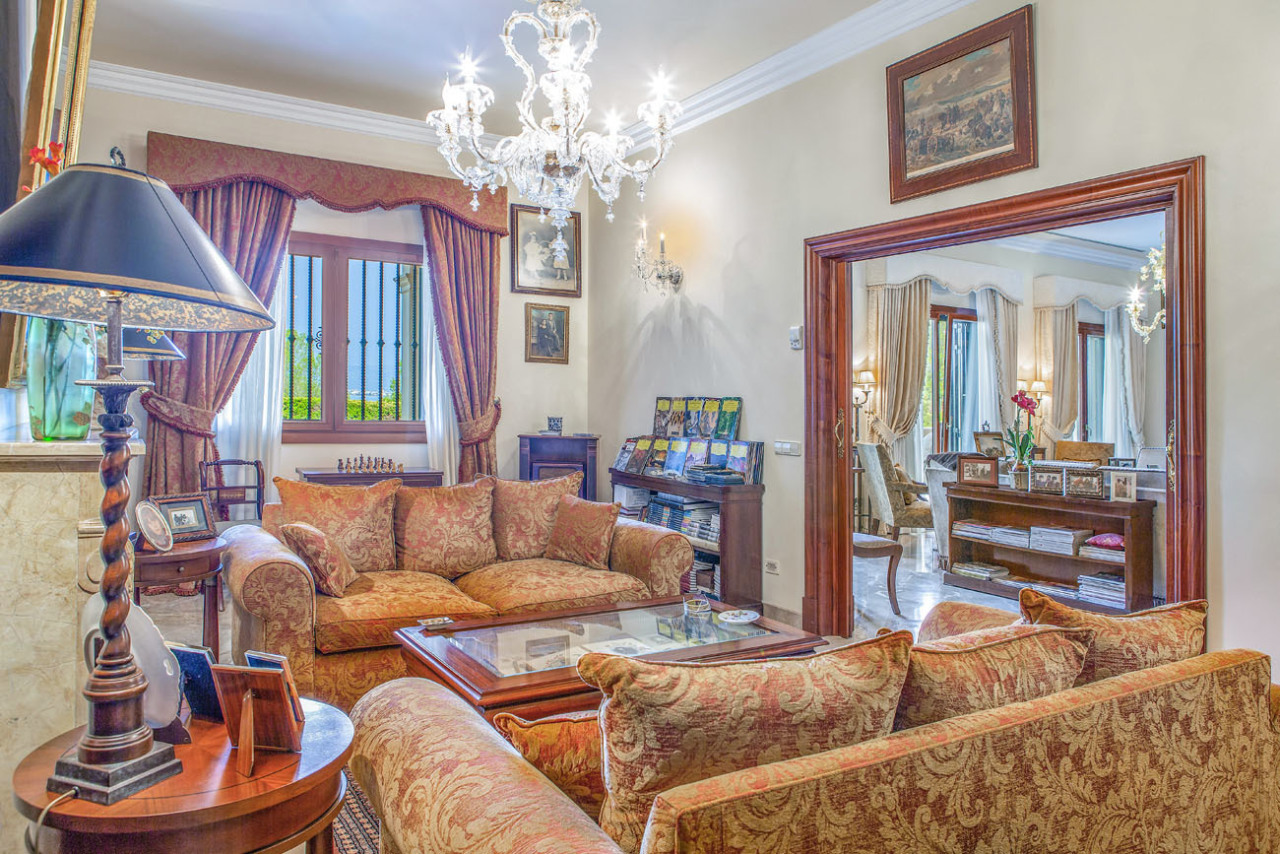
Selected properties with views of the Mediterranean and the coast.