Mallorca Climate – Weather, Seasons and the Best Time to Visit Every Region
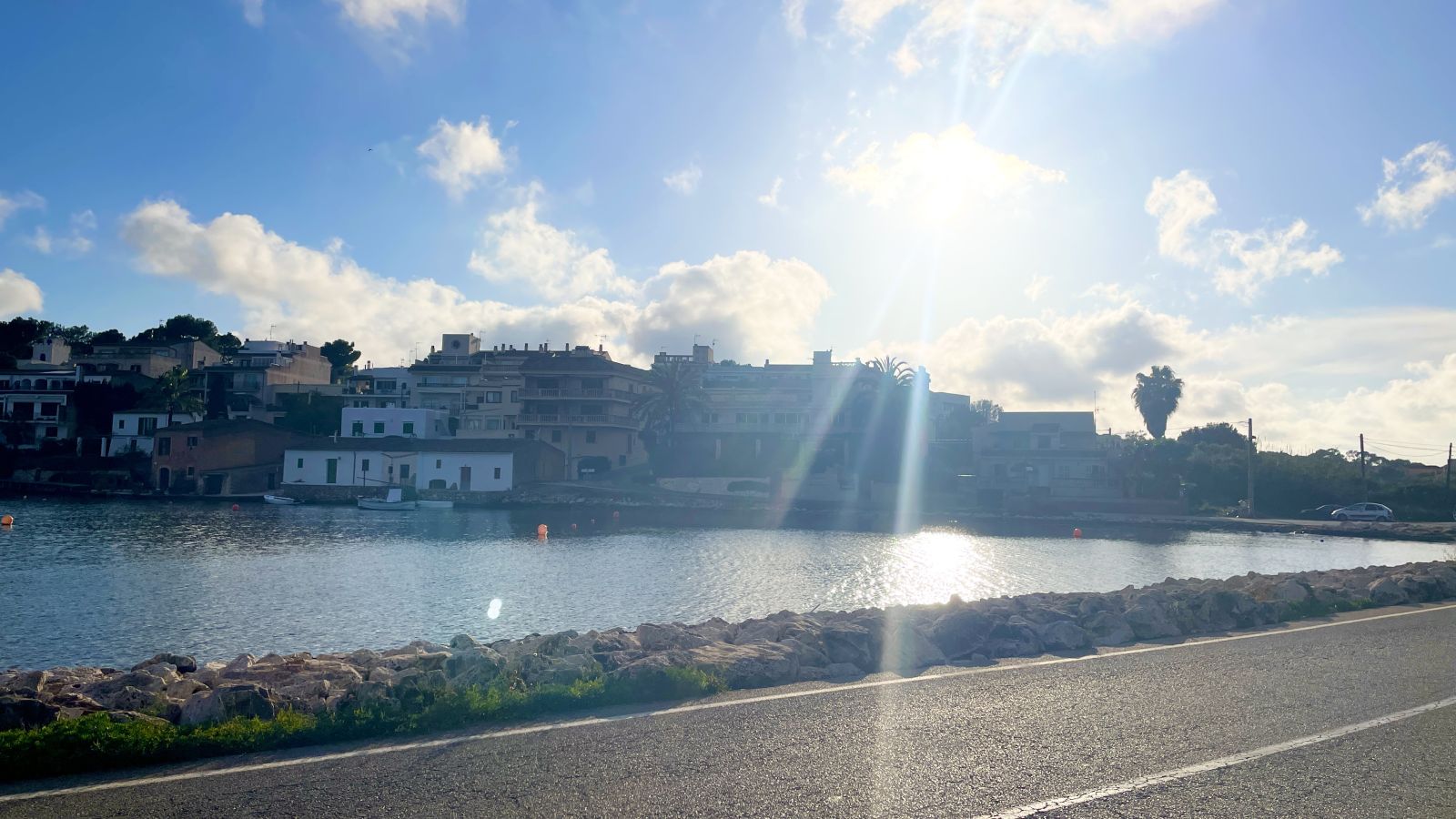
Mallorca is far more than just a summer island. Its Mediterranean climate, abundant sunshine and diverse landscapes make it an attractive destination throughout the year. Whether you are planning a holiday, considering a second home or looking to buy a property on the island, understanding Mallorca’s seasons and regional climate differences is essential.
This guide explains how the weather changes throughout the year, which months are best for holidays, outdoor activities and property viewings, and why areas such as Llucmajor, Palma, the south coast and the Tramuntana Mountains each offer their own unique climate advantages.
Mallorca Climate at a Glance
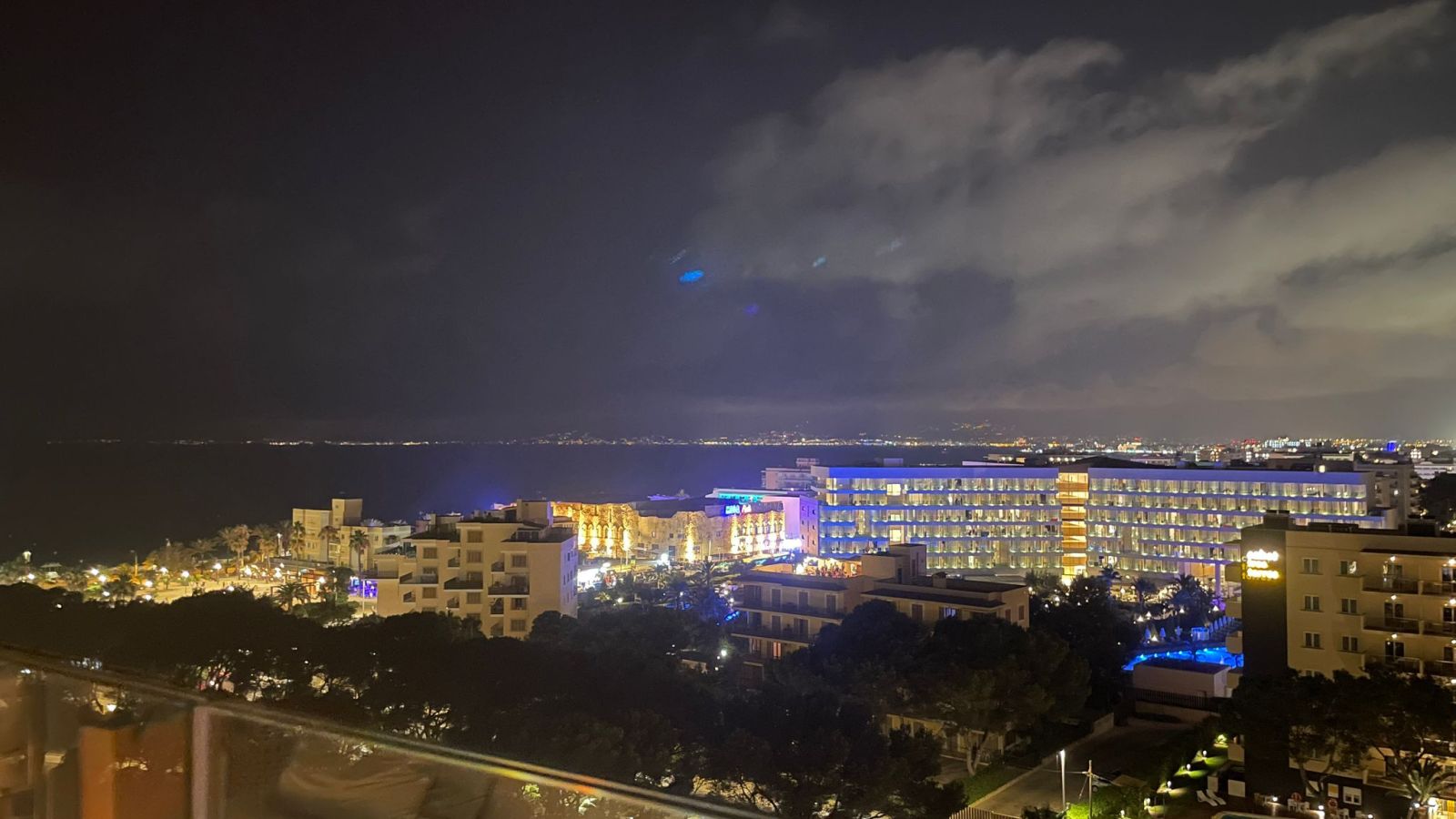
Mallorca enjoys a classic Mediterranean climate with hot, dry summers and mild winters. This balance is one of the main reasons why the island is so attractive to holidaymakers, residents and property buyers alike. While summer is perfect for beach days and water sports, spring, autumn and winter provide excellent conditions for outdoor activities, sightseeing and a relaxed Mediterranean lifestyle.
One of Mallorca’s greatest strengths is its year-round appeal. The island changes significantly throughout the seasons. Spring brings blossoms and greenery, summer revolves around the sea, autumn offers comfortable temperatures and winter reveals a quieter, more authentic side of Mallorca.
Anyone considering purchasing a property should experience more than just the summer months. Many regions reveal their true character outside the peak season, making it easier to understand daily life, infrastructure and the atmosphere of a location.
Spring in Mallorca – Blossoming Landscapes and Pleasant Temperatures
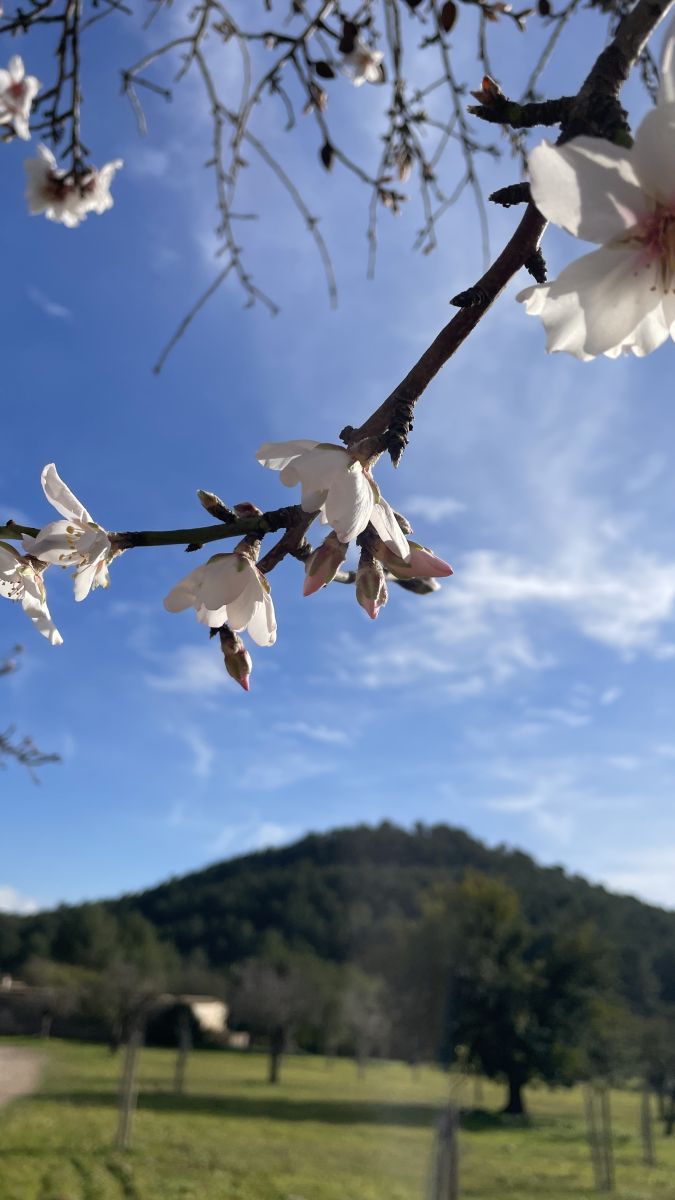
Spring is one of the most beautiful seasons on Mallorca. From March onwards, the days become longer, temperatures gradually rise and nature comes to life. Almond blossoms, green fields, colourful gardens and clear skies create a particularly attractive atmosphere.
Between March and May, temperatures are usually very comfortable. Conditions are ideal for walking, cycling, hiking and visiting local markets without the intense heat of summer. This is one of the reasons why active travellers often consider spring one of the best times to visit Mallorca.
Spring is also ideal for property buyers. Viewings can be arranged comfortably, natural light is excellent and many towns feel lively without being overcrowded.
Spring is perfect for anyone who wants to experience Mallorca at its greenest, most colourful and most authentic.
Summer in Mallorca – Sunshine, Sea and Mediterranean Lifestyle
Summer in Mallorca is defined by endless sunshine, high temperatures and long days by the sea. From June to August, the island showcases its classic holiday atmosphere. Beaches, marinas, beach clubs and coastal towns are at their liveliest.
Temperatures frequently exceed 30 degrees Celsius during the summer months. Coastal areas often benefit from refreshing sea breezes, while the interior of the island can become significantly hotter. Visitors should plan outdoor activities for the morning or late afternoon whenever possible.
Summer is naturally important for holiday homes and second residences. However, anyone considering a property purchase should also experience the area during other seasons to gain a more realistic impression of daily life and local infrastructure.
Coastal areas often enjoy refreshing sea breezes during the hottest months.
The island's interior can be hotter but usually offers more peace and open space.
Property buyers should ideally visit their preferred area during more than one season.
Autumn in Mallorca – Warm Days, Quiet Beaches and Outstanding Quality of Life
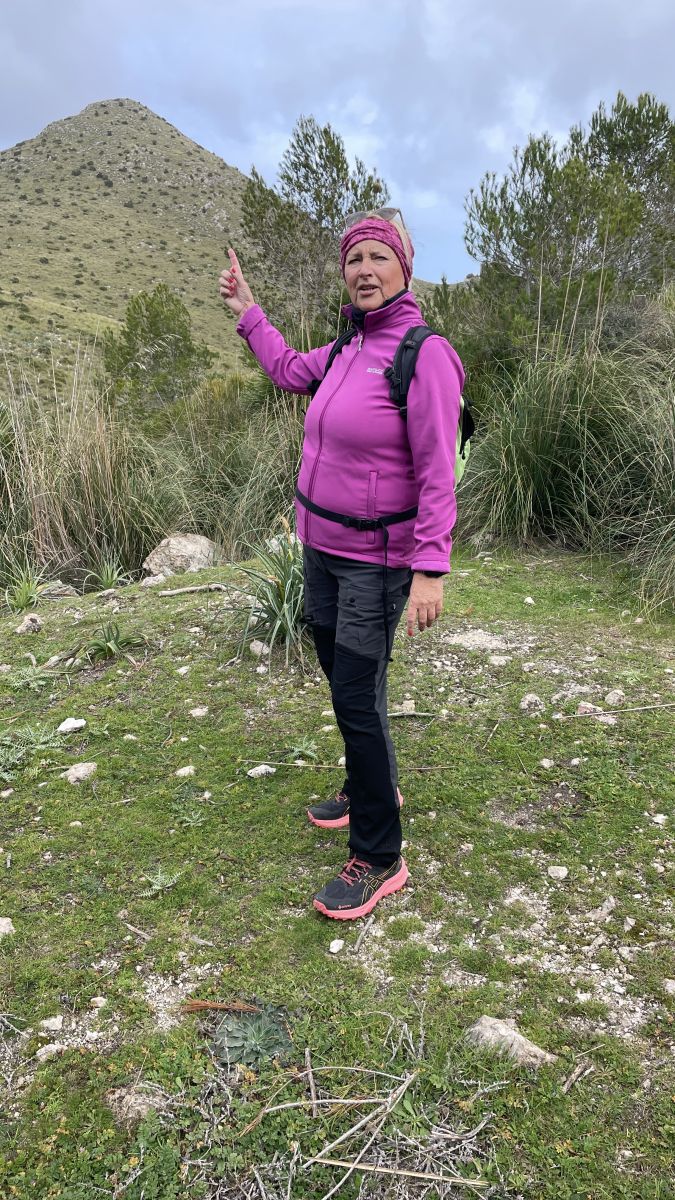
For many Mallorca enthusiasts, autumn is the most beautiful season of the year. The intense summer heat gradually fades, the sea remains pleasantly warm and the island becomes significantly more relaxed than during peak season. September and October in particular offer ideal conditions for beach days, excursions, hiking and property viewings.
While September often still feels very much like summer, October provides a perfect balance between warmth and comfort. Temperatures remain pleasant, evenings are mild and the island becomes greener after the first autumn rains. Visitors who would like to learn more about this season can read our detailed guide Mallorca in October – Weather, Temperatures and Autumn Holidays.
Autumn is also an excellent season for property buyers. Viewings are more comfortable, different regions reveal their authentic character and it becomes easier to understand how local infrastructure functions outside the busy summer months.
Autumn combines late-summer warmth, quieter towns and ideal conditions for discovering the real Mallorca.
Winter in Mallorca – Mild, Peaceful and Surprisingly Sunny
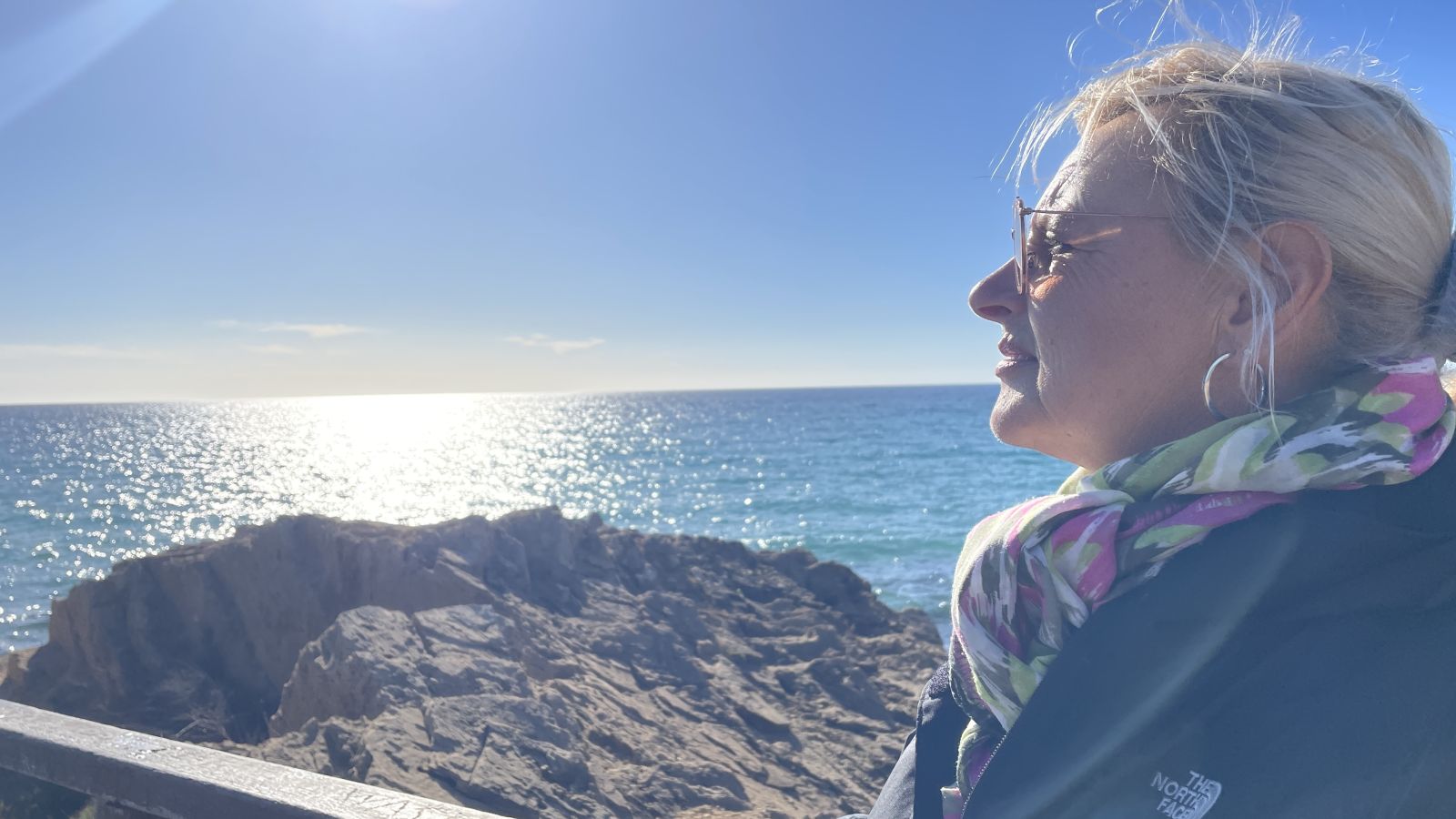
Winter in Mallorca often surprises first-time visitors. Although temperatures are naturally cooler than during summer, the island remains pleasantly mild compared to much of Central Europe. Sunny days, clear skies and a relaxed atmosphere define the months between December and February.
During winter, Mallorca reveals its most authentic side. Weekly markets, cafés, local restaurants and historic town centres operate at a slower pace. Anyone considering living on the island permanently or spending extended periods here should experience Mallorca during the winter months.
The Tramuntana Mountains tend to be cooler and wetter, while southern and coastal regions often enjoy milder conditions. Although daylight hours are shorter, Mallorca’s winter light is particularly appreciated by residents and photographers.
For property buyers, winter offers an excellent opportunity to see which areas remain lively throughout the year and how daily life feels outside the tourist season.
Winter reveals whether an area is truly suitable for year-round living.
Southern and coastal locations generally remain milder than mountain regions.
Many residents consider winter the best season to experience authentic Mallorca.
Climate by Region – Why Location Matters in Mallorca
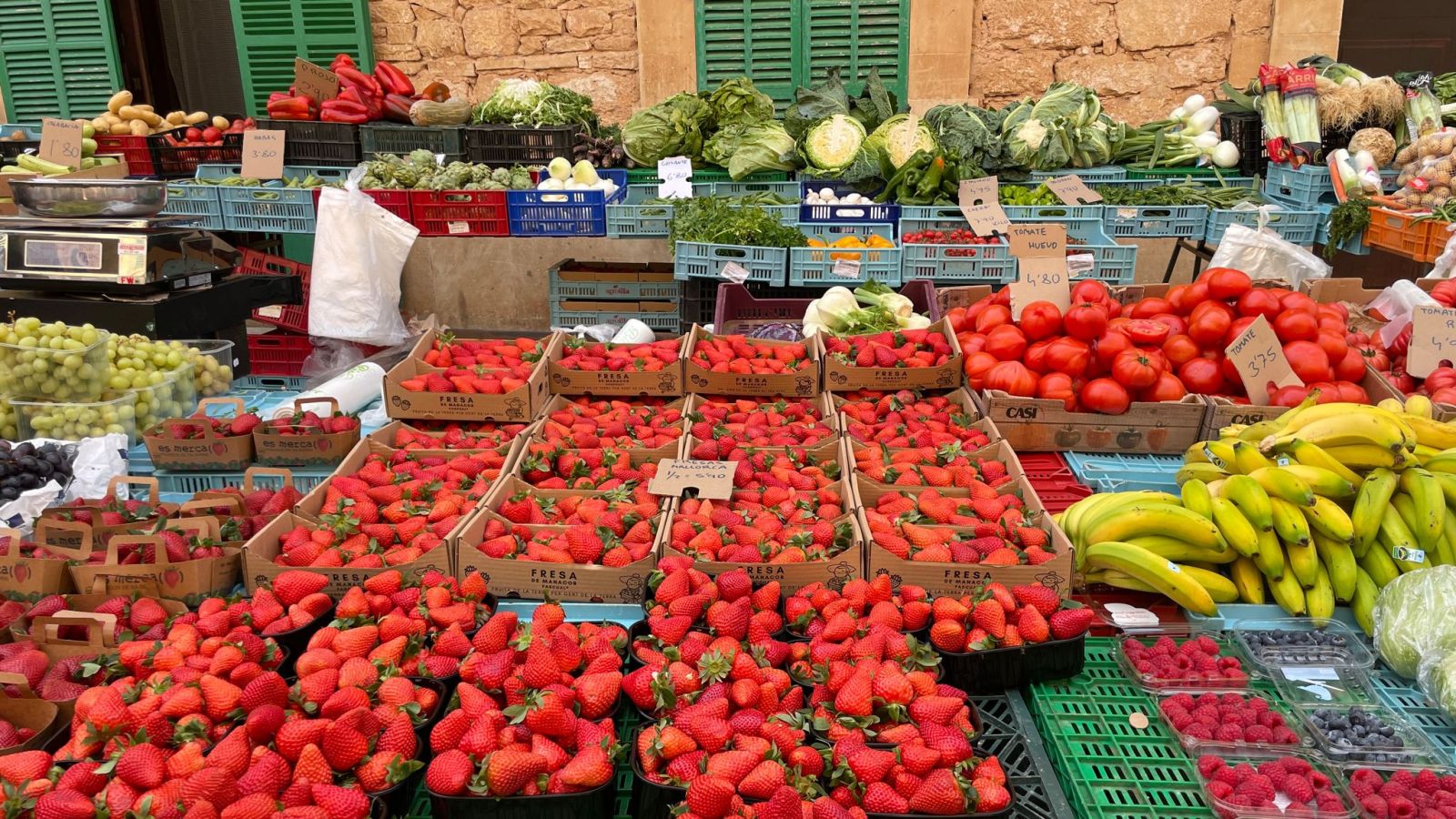
Mallorca’s climate is not identical across the island. Despite its relatively compact size, there are noticeable differences between the coast, inland areas, the south, the north and the Tramuntana Mountains. These variations are important not only for visitors but also for anyone considering purchasing property.
The south of Mallorca is often regarded as one of the sunniest and driest parts of the island. Areas such as Llucmajor, Maioris, Puig de Ros, Bahía Grande and Bahía Azul combine Mediterranean weather, proximity to the sea and excellent accessibility.
Palma has its own urban microclimate. As the island’s capital, it remains lively throughout the year and offers outstanding infrastructure, cultural attractions and amenities. During summer it can feel warmer due to the urban environment, while spring, autumn and winter are particularly pleasant.
In the north, around Alcúdia and Pollença, stronger winds are more common, making these areas popular with sailing and water sports enthusiasts. The Tramuntana Mountains are generally greener, cooler and receive more rainfall. These differences are one of the reasons why Mallorca is such a diverse island.
When buying property in Mallorca, views are important, but microclimate, wind exposure, sun orientation and local conditions can have an even greater impact on quality of life.
Southern Mallorca – Sunny, Well Connected and Attractive All Year Round
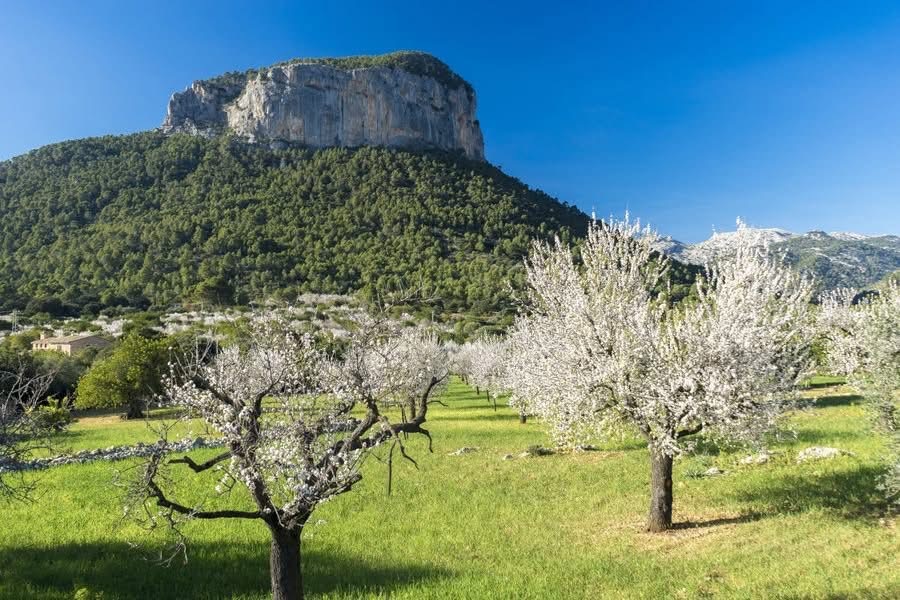
Southern Mallorca is one of the most desirable areas for property buyers. Its proximity to Palma, quick access to the airport and combination of coastal living, infrastructure and quality of life make this region particularly attractive.
Around Llucmajor, numerous residential areas are ideal for year-round living. Maioris, Puig de Ros, Bahía Grande, Bahía Azul and Tolleric offer a Mediterranean lifestyle close to the sea while remaining significantly quieter than many traditional tourist centres.
The climate in southern Mallorca is generally sunny and dry. For people seeking a high quality of life throughout the year, this region is particularly appealing. You can learn more about the area in our article Llucmajor – A Town with Heart in the Interior of Mallorca.
Short distances to Palma and the airport make the south especially convenient.
Many residential areas combine coastal living with peace and privacy.
The sunny and dry climate contributes to excellent year-round living conditions.
What Is the Best Time to Visit Mallorca?
The best time to visit Mallorca depends very much on personal preferences. Travellers who want long beach days usually prefer the months between June and September. Hiking, cycling and outdoor enthusiasts, on the other hand, often find spring and autumn ideal, when temperatures are milder and the landscapes are at their most attractive.
Families often make use of the summer and autumn school holidays, while golf lovers generally prefer spring and autumn. Many residents and long-stay visitors consider winter one of the most pleasant seasons for enjoying the island in peace. This variety is precisely what makes Mallorca attractive throughout the year.
For property buyers, it is also advisable to experience the island in different seasons. A location that seems perfect in midsummer may feel very different during the winter months. For this reason, it is worth visiting your preferred area several times before making a final decision.
Spring
Perfect for hiking, cycling, nature experiences and property viewings.
Summer
Ideal for enjoying the beach, the sea and the classic Mediterranean lifestyle.
Autumn
Pleasant temperatures, warm sea and a more relaxed atmosphere.
Why Climate Matters When Buying Property in Mallorca
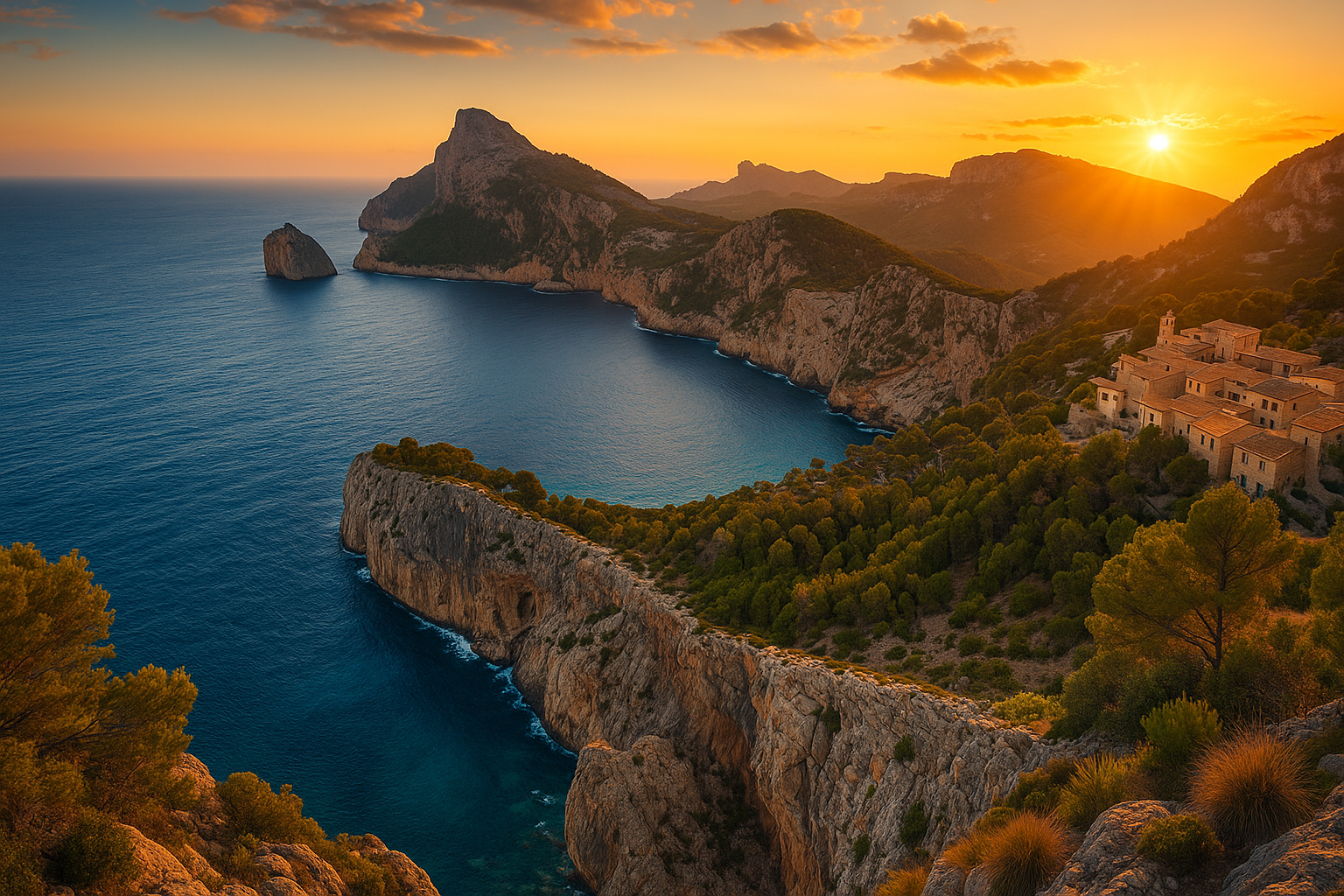
Anyone planning to buy a property in Mallorca should not focus only on views or interior features. Climate, sun orientation, prevailing winds and the exact location within a region can significantly influence everyday comfort and long-term quality of life.
A south-facing villa can benefit from many hours of sunshine even during winter. Apartments near the sea often enjoy a pleasant coastal breeze, while properties in the island’s interior frequently offer more peace and privacy. Infrastructure, transport connections, medical services and proximity to Palma are also important factors.
For this reason, we recommend exploring different regions of Mallorca at different times of the year. This is the best way to gain a realistic impression of what daily life truly feels like in each area.
Among the most sought-after locations are Llucmajor, Maioris, Puig de Ros, Bahía Grande and Bahía Azul. These areas combine proximity to the sea, good infrastructure, quick access to Palma and particularly pleasant climatic conditions throughout much of the year.
In Mallorca, climate affects not only holidays but also daily comfort and long-term quality of life in a property.
Frequently Asked Questions About Mallorca’s Climate
When is the best time to visit Mallorca?
That depends on your personal interests. Summer is ideal for beach holidays, while spring and autumn are perfect for outdoor activities.
How many sunny days does Mallorca have each year?
Mallorca is one of the sunniest regions in Europe and often enjoys more than 300 days of sunshine per year.
Is Mallorca pleasant in winter?
Yes. Winters are mild and considerably warmer than in many parts of Central Europe.
Which region is especially sunny?
Southern Mallorca, particularly around Llucmajor, Maioris and Puig de Ros, is known for its sunny and dry climate.
Where is it cooler in Mallorca?
The Serra de Tramuntana usually has lower temperatures and higher rainfall than the south of the island.
Is climate important when buying a home?
Yes. Orientation, wind exposure, microclimate and regional conditions directly influence comfort and quality of life.
Conclusion: Mallorca Offers Quality of Life All Year Round
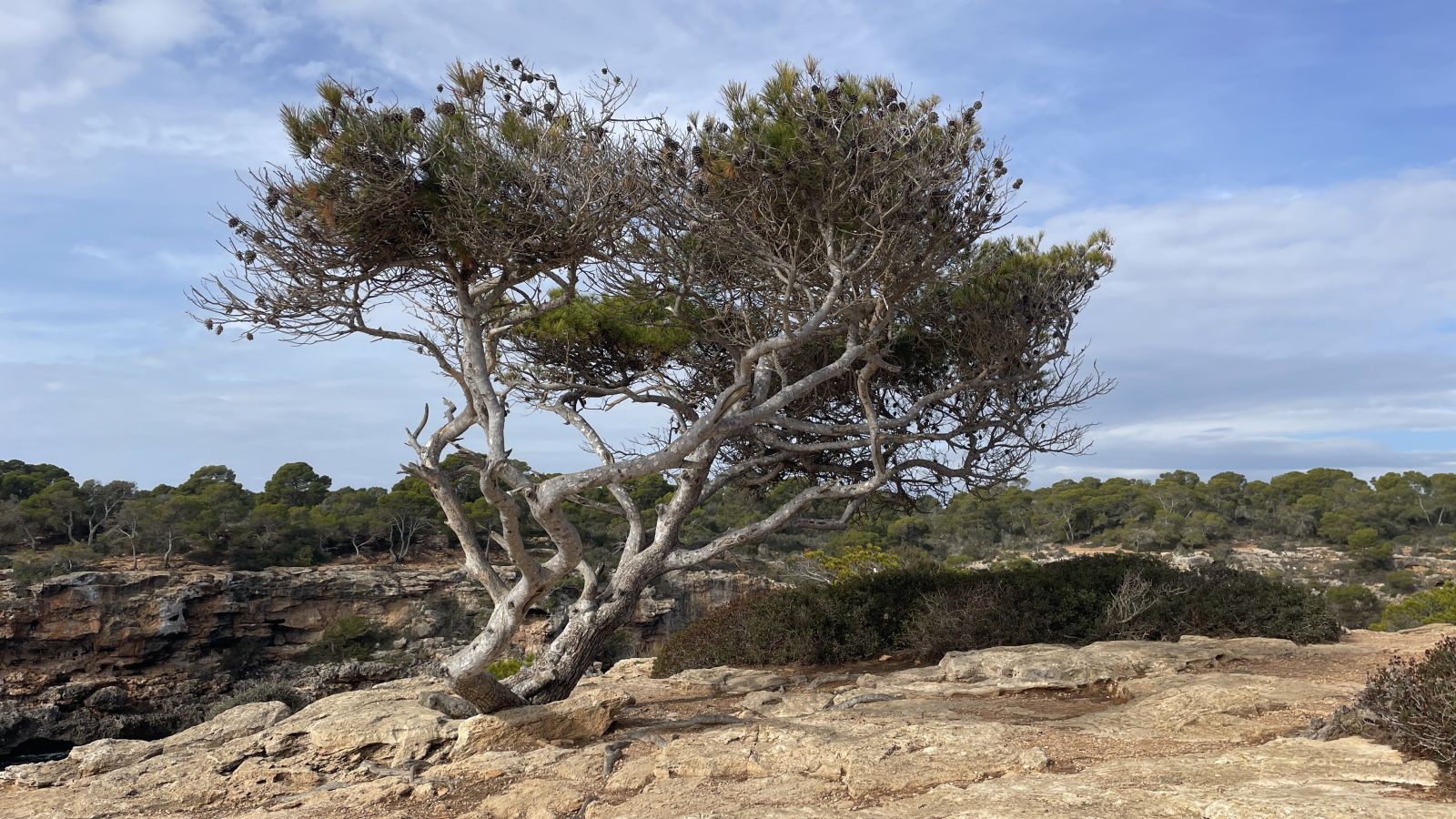
Mallorca is not only known for its beaches, coves and Mediterranean landscapes. Its privileged climate makes it possible to enjoy the island throughout all twelve months of the year. Each season has its own character and offers different experiences.
While summer is associated with the sea and sunshine, spring and autumn provide ideal temperatures for discovering nature and enjoying outdoor activities. Winter, in turn, reveals a quieter, more authentic and surprisingly pleasant side of Mallorca.
Anyone wishing to get to know the island properly should explore its different regions at different times of the year. Only then is it possible to discover which area best suits your lifestyle, needs and long-term plans.
Mallorca is not just a summer destination. Its Mediterranean climate makes the island ideal for holidays, second homes and year-round living.